Ultrasonic retainer cleaner
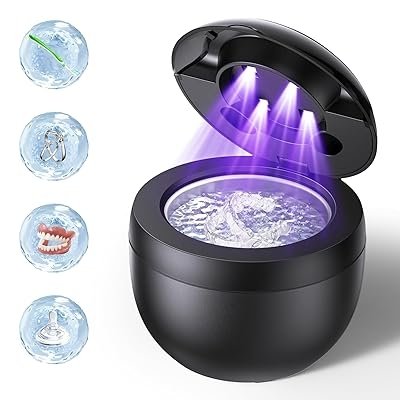
Ultrasonic Retainer Cleaner — A Complete Guide to Deep, Gentle Cleaning
An ultrasonic retainer cleaner is a compact cleaning device that uses tiny, high‑frequency sound waves (ultrasonic vibrations) to remove buildup from dental retainers, mouthguards, dentures, and other oral appliances. By creating microscopic bubbles in a cleaning solution, it delivers a deep, gentle clean that reaches areas traditional brushing might miss.
These cleaners are especially popular with people who wear retainers daily, because they help keep appliances fresh, bacteria‑free, and comfortable without scrubbing or harsh chemicals.
How Ultrasonic Cleaning Works
Ultrasonic cleaners use a process called cavitation:
- You fill the cleaner’s tank with water and (optionally) a small amount of mild cleaning solution.
- When the device is turned on, ultrasonic waves create millions of microscopic bubbles in the liquid.
- These bubbles rapidly form and collapse — a process that generates tiny scrubbing action on every surface of the retainer.
- The result is deep cleaning that removes food particles, plaque, saliva residue, and bacteria even from tiny crevices.
Because the action happens at a microscopic level, the cleaner works without abrasive force — protecting delicate plastics, wires, and materials.
Why People Use Ultrasonic Retainer Cleaners
1. Professional‑Level Clean
Ultrasonic cleaners reach small crevices and hard‑to‑brush areas, making them more effective than manual brushing alone.
2. Gentle on Materials
Unlike harsh scrubbing or rigid brushes, ultrasonic cleaning doesn’t wear down plastic, metal wires, or delicate components.
3. Helps Prevent Bad Odors
Daily use of retainers and mouthguards can lead to lingering odors. Ultrasonic cleaning removes the particles that cause smell and helps keeps retainers fresh.
4. Easy and Practical
Just place the retainer in the device with water, let it run for a short cycle, and your retainer comes out clean — no effort required.
What It Cleans Effectively
Ultrasonic cleaning works well on:
- Clear plastic retainers and aligners
- Hawley retainers (acrylic and wire)
- Mouthguards and sports guards
- Night guards
- Dentures and partials
This makes ultrasonic cleaners versatile for a variety of dental appliances.
Typical Cleaning Steps
- Prepare the Tank
Fill the cleaner’s basin with water — distilled water is ideal — and a few drops of mild cleaning solution if recommended. - Add the Appliance
Place the retainer or dental device into the water. - Set the Time
Most cycles run anywhere from 3 to 8 minutes depending on the model and how soiled the appliance is. - Rinse and Dry
After the cycle finishes, rinse the retainer under clean water and allow it to air dry before wearing.
That’s all — no brushing or scrubbing required!
Benefits Over Traditional Cleaning
| Feature | Ultrasonic Cleaner | Manual Brushing |
|---|---|---|
| Reaches Tiny Crevices | ✅ | ⚠️ |
| Requires Physical Scrubbing | ❌ | ✅ |
| Gentle on Materials | ✅ | ⚠️ |
| Removes Odors & Bacteria | Strong | Moderate |
| Effort Required | Low | Higher |
Ultrasonic cleaning reduces the manual effort and delivers a thorough clean, especially in spots that are hard to reach with a brush.
Safety and Best Practices
- Use Mild Cleaning Solutions
Avoid harsh chemicals unless the manufacturer specifically recommends them. - Don’t Overfill the Tank
Follow capacity guidelines to ensure proper ultrasonic action. - Rinse After Cleaning
Always rinse appliances after cleaning to remove loosened debris and any solution residue. - Read Your Retainer Instructions
Some retainers or dental devices may have specific cleaning recommendations — check with your dentist or orthodontist if uncertain.
Everyday Tips for Retainer Care
- Rinse your retainer after each use to remove saliva and debris.
- Use the ultrasonic cleaner regularly (daily or a few times per week) for deep maintenance.
- Store in a clean case when not in use to help prevent buildup.
Summary
An ultrasonic retainer cleaner is a powerful tool for keeping dental appliances clean, fresh, and free from odor‑causing buildup. By harnessing high‑frequency sound waves and cavitation, it delivers a deep yet gentle clean that manual brushing alone can’t match — all with minimal effort. It’s a smart addition to any oral hygiene routine for anyone who wears retainers, night guards, mouthguards, or dentures regularly.
With simple use and effective results, ultrasonic cleaning makes retainer care easier, more thorough, and more hygienic — helping your dental appliances stay comfortable and long‑lasting.
If you’d like, I can explain how ultrasonic cleaning compares with other retainer cleaning methods (like tablets, sprays, or vinegar solutions). Just let me know!