Ultrasonic Repellent Device
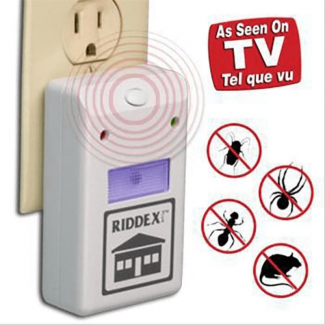
Ultrasonic Repellent Device — A Complete Guide to Humane Pest Deterrence
An ultrasonic repellent device is a tool designed to keep unwanted pests away by emitting high‑frequency sound waves that are typically inaudible to humans and most pets but are irritating to certain animals. These devices are often used in homes, gardens, yards, garages, and other spaces to deter pests such as rodents, insects, cats, dogs, and wildlife without using poisons, traps, or harmful chemicals.
Ultrasonic repellents are popular because they offer a non‑toxic, humane, and low‑maintenance approach to pest management.
How Ultrasonic Repellent Devices Work
Ultrasonic repellents produce high‑frequency sound waves — usually above the range of human hearing (over 20 kHz). These sound waves create an uncomfortable auditory environment for pests. When pests enter the area where the device’s sound is active, they may feel disoriented, stressed, or uncomfortable and choose to avoid the space entirely.
Key points about how these devices function:
- The sound is inaudible to humans and most large animals.
- The sound targets pests’ sensitive hearing ranges.
- Many devices use pulses or varying frequencies to prevent pests from becoming accustomed to one tone.
- Motion‑activated models only emit sound when movement is detected, conserving energy.
Although ultrasonic repellents do not physically harm animals, they rely on sensory discomfort to discourage unwanted presence.
Common Types of Ultrasonic Repellent Devices
1. Indoor Ultrasonic Repellers
These plug into electrical outlets or run on batteries to repel pests such as mice, cockroaches, spiders, ants, and other small invaders inside homes or buildings.
2. Outdoor Ultrasonic Repellers
Weatherproof units designed for gardens, yards, patios, or driveways. They may repel animals such as squirrels, rabbits, raccoons, cats, dogs, or deer.
3. Motion‑Activated Ultrasound Devices
Equipped with motion sensors (PIR), these devices only activate when movement is detected — reducing constant noise and saving power.
4. Solar‑Powered Ultrasonic Repellent Devices
Outdoor units that use solar panels for power, offering an energy‑efficient option for gardens or open spaces.
Advantages of Ultrasonic Repellent Devices
Humane and Eco‑Friendly
They deter pests without harming them, avoiding traps, poisons, or physical barriers.
Chemical‑Free
Since they use sound rather than chemical repellents, they are safe for homes, gardens, and families.
Low Maintenance
Once installed, they need minimal upkeep — just occasional battery changes or solar recharging.
Easy to Install
Most models are plug‑and‑play or can be mounted in desired locations without tools or professional help.
Versatile Usage
Suitable for a variety of pests and spaces — indoors and outdoors.
Limitations and Things to Know
Ultrasonic repellents can be effective in many situations, but it’s important to understand some limitations:
Coverage Area
Sound waves have limited range and can be blocked by walls, furniture, or obstacles.
Variable Effectiveness
Not all pests respond the same way. Some may become acclimated or ignore the sound, especially if there’s a strong attractant (like food or shelter).
Not a Standalone Solution
Ultrasonic devices often work best when combined with other pest control practices, such as removing food sources, sealing entry points, and maintaining cleanliness.
Sound Attenuation
Ultrasonic waves dissipate quickly, so multiple units may be needed in larger spaces.
Where Ultrasonic Repellent Devices Are Used
Common places include:
- Homes and apartments (for rodents and insects)
- Garages and basements
- Kitchens and storage areas
- Garden beds and lawns
- Patios and outdoor sitting areas
- Farms and orchards
Proper placement — at pest entry points or high‑activity zones — increases effectiveness.
Tips for Best Results
- Place devices near common pest entry points (cracks, doors, vents).
- Avoid placing them behind furniture or obstruction.
- Combine with good sanitation practices (remove food debris, seal trash).
- Use multiple units for larger areas or rooms with walls.
- Pair with physical barriers or traps for persistent infestations.
Using ultrasonic repellents as part of a broader pest management strategy yields better outcomes.
Summary
An ultrasonic repellent device emits high‑frequency sound waves to drive away pests in a humane and chemical‑free way. It can be used indoors or outdoors to deter rodents, insects, cats, dogs, and wildlife from gardens, homes, and other spaces. While not universally effective against all pests in all situations, ultrasonic repellents provide an accessible, safe, and low‑maintenance option for reducing unwanted animal activity when combined with good pest‑prevention practices.
If you’d like, I can explain which ultrasonic repeller models work best for specific pests or outdoor settings — just tell me where you’d use it and what type of animals you want to deter.