Ultrasonic Mouse and Rats
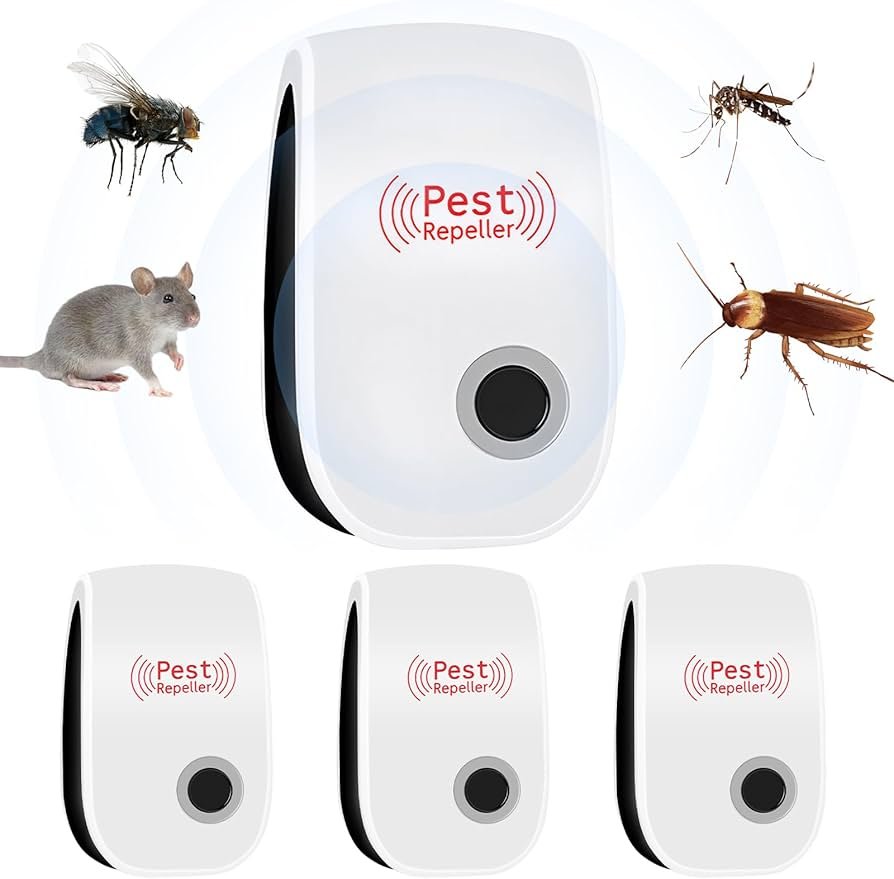
Ultrasonic Mouse and Rat Repellent — A Complete Guide
An ultrasonic mouse and rat repellent is a device designed to discourage rodents from entering or staying in homes, garages, yards, and other spaces. It works by emitting high‑frequency sound waves that are unpleasant to mice and rats but generally inaudible to humans and larger pets. These repellents offer a humane, chemical‑free alternative to traps and poisons for managing rodent activity.
How Ultrasonic Mouse and Rat Repellents Work
Ultrasonic repellers emit high‑frequency sound waves — typically above 20 kHz — that are outside normal human hearing but fall within ranges that rodents can detect. Mice and rats have very sensitive hearing, and these high‑frequency pulses create an environment that is irritating or uncomfortable to them. Over time, this can motivate the rodents to avoid the area altogether.
Key elements of how they function:
- Ultrasonic sound pulses are emitted in bursts or cycles
- Motion sensors detect rodent movement and activate the device (in many models)
- Pulsed or variable frequencies are used so rodents do not become accustomed to a single tone
- Coverage area varies by model and placement
Because the sound is harmless but bothersome to rodents, ultrasonic devices offer a way to reduce rodent presence without trapping or poisoning.
Common Features
Motion Activation
Many devices include motion sensors (PIR sensors) that trigger ultrasonic pulses only when movement is detected, saving energy and focusing deterrence where it’s most needed.
Adjustable Frequency Settings
Some models let you adjust frequency levels or cycle through frequencies automatically. This helps prevent rodents from habituating to one constant sound.
Wide Coverage Range
Ultrasonic repellers are rated based on how much space they can influence — from small rooms to large basements or yards.
Indoor and Outdoor Versions
- Indoor models plug into outlets for rooms, kitchens, garages, and attics
- Outdoor or weather‑proof models may be solar powered or battery operated for yards, gardens, driveways, and patios
Benefits
Humane and Non‑Toxic
Ultrasonic repellents don’t kill or injure rodents — they simply encourage them to leave the area.
Easy to Install
Most devices require no tools — just plug in or insert batteries and place them where rodent activity is suspected.
Chemical‑Free
No poisons, baits, or toxic substances are used, making them safer for homes with children, pets, and food storage areas.
Low Maintenance
Once installed, they require little regular upkeep beyond occasional battery changes or positioning checks.
Limitations and Considerations
While ultrasonic repellents can be effective, they are not a guaranteed solution on their own. Some factors to consider:
Coverage and Obstacles
Ultrasonic sound can be blocked or weakened by walls, furniture, or large objects. For best results:
- Place units in open areas
- Use multiple devices for large spaces
- Avoid placing behind cabinets or couches
Variable Effectiveness
Not all rodents respond the same way — habits, food availability, and environment can influence results.
Attraction Factors
Rodents may return if attractants remain accessible. Good sanitation — sealing food, trash, and entry points — improves repellent effectiveness.
Not a Quick Fix
Ultrasonic repellents are better for long‑term deterrence. Immediate infestations may require combined approaches (cleaning, exclusion, sealing cracks).
Best Practices for Using Ultrasonic Rodent Repellents
1. Identify High‑Activity Areas
Look for droppings, gnaw marks, or burrow holes and place devices nearby.
2. Clear Attractants
Store food securely, cover trash bins, and remove clutter that offers shelter.
3. Use Multiple Units
In large homes or businesses, more than one repeller may be needed to cover the entire space.
4. Combine with Exclusion
Seal gaps, vents, and cracks where rodents enter.
5. Monitor and Adjust
If you continue to see rodent signs, move the repeller or add additional units.
Where They Are Commonly Used
- Homes (kitchens, living rooms, attics, basements)
- Garages and Workshops
- Sheds and Storage Areas
- Restaurants and Food Storage Areas (where chemical use is restricted)
- Outdoor Patios and Gardens (weather‑protected models)
Summary
An ultrasonic mouse and rat repellent uses high‑frequency sound waves to create an environment that rodents find uncomfortable, encouraging them to avoid the area. These devices are humane, easy to install, and chemical‑free, making them a practical choice for many residential and commercial settings. To maximize effectiveness, use them in combination with good sanitation, exclusion of entry points, and proper device placement. Repellents work best as part of an overall pest management plan rather than as a standalone solution.
If you tell me where you plan to use it — for example, inside a house, garage, or outdoor yard — I can suggest placement tips for best results.