Ultrasonic Cat Repeller
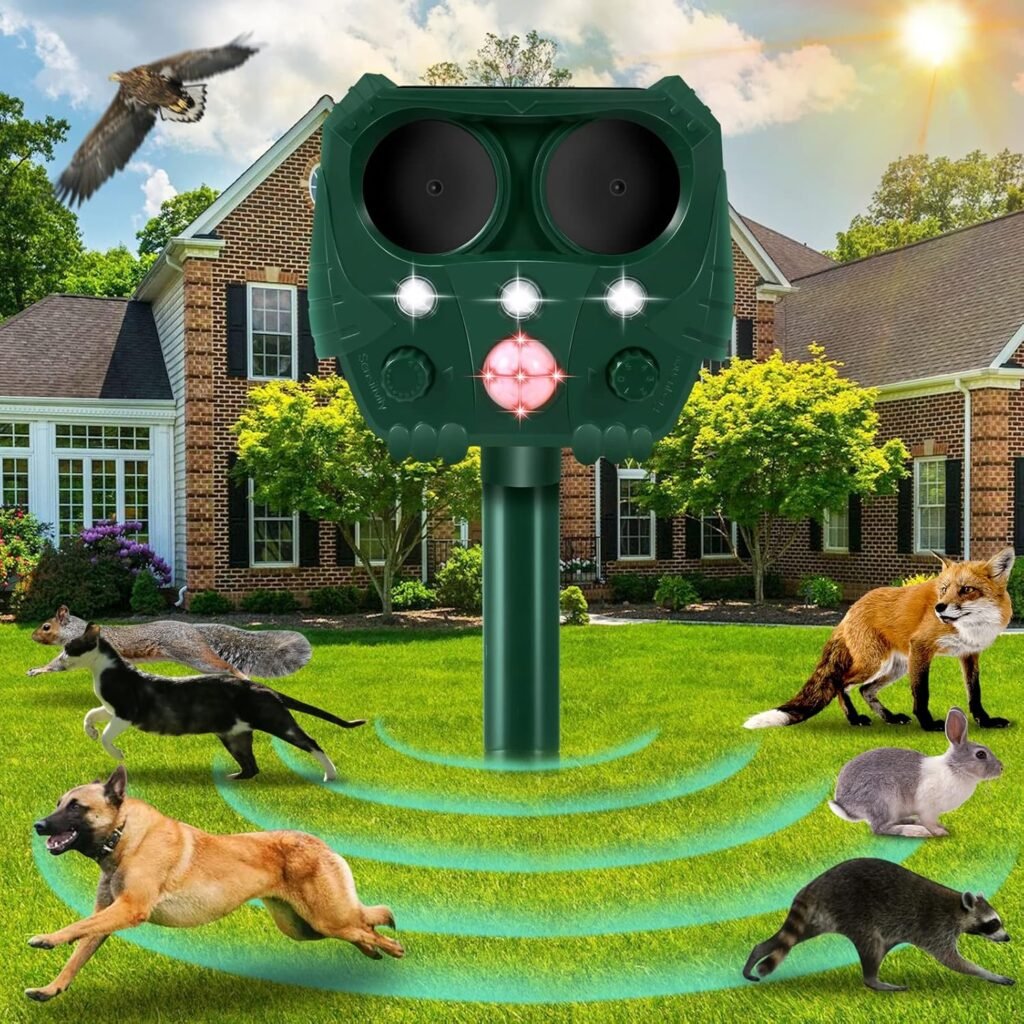
Ultrasonic Cat Repeller — A Complete Guide to Humane Cat Deterrence
An ultrasonic cat repeller is a device designed to keep cats away from specific areas without harming them. It emits high‑frequency sound waves that are unpleasant to cats and other small animals but typically inaudible to humans. These repellers are commonly used in gardens, yards, driveways, patios, and around property borders to discourage cats from digging, scratching, or using flower beds and lawns as outdoor litter boxes.
Ultrasonic cat repellers offer a humane, non‑chemical solution for managing unwanted cat activity without causing injury.
How Ultrasonic Cat Repellers Work
Ultrasonic cat repellers use a built‑in speaker to emit high‑frequency sound waves — usually above the range of normal human hearing. While humans can typically hear up to about 20 kHz, cats can detect frequencies much higher than that. The ultrasonic sound is uncomfortable for them, so they avoid areas where the device activates.
Most ultrasonic cat repellers are motion‑activated. This means:
A motion sensor detects movement (like a cat walking by).
The device emits ultrasonic pulses in short bursts.
The sound remains unpleasant enough to make the cat reconsider returning.
Because the sound is non‑harmful, it simply acts as a deterrent rather than a punishment.
Common Features
- Motion Detection
Most units include a PIR (Passive Infrared) sensor that detects motion within a set range. When triggered, the device emits ultrasonic sound only when animals approach — conserving power and targeting the stimulus. - Adjustable Detection Range
Some models let you set how far the motion sensor reaches. This helps focus the repeller on targeted areas like garden beds or entranceways. - Weatherproof Design
Outdoor models are usually water‑resistant or fully weather‑proof, allowing them to operate in rain, wind, or sunshine without damage. - LED Indicators
Some repellers include LED lights to indicate motion detection or operation status. - Power Options
Battery‑powered: Portable and easy to install
Solar‑powered: Recharges using sunlight
Plug‑in: Provides consistent power without battery changes
Where Ultrasonic Cat Repellers Are Used
Ultrasonic cat repellers are commonly placed in:
Gardens and flower beds (to protect plants and soil)
Lawns and yards (to discourage digging)
Balconies and patios (to prevent cats from entering)
Garages and driveways
Around trash bins and compost areas
The repellers help keep cats out without trapping, harming, or poisoning them, and without sprays or physical barriers.
Benefits
Humane and Non‑Toxic
Ultrasonic repellers do not use chemicals or traps, making them safe for animals and people.
Easy Installation
Most units are simple to set up — many stick into the ground or mount on a wall.
Low Maintenance
Battery and solar options mean you don’t have to check or refill bait or sprays.
Targeted Protection
Since they only activate when motion is detected, you can focus protection on particular spots.
Suitable for Outdoor Use
Weather‑proof models are designed to withstand outdoor conditions.
Limitations and Considerations
While ultrasonic repellers work well in many situations, some factors can affect performance:
Variable Effectiveness
Not all cats respond the same way. Some may become used to the sound over time or may ignore it if motivated (for food or shelter).
Range Limits
Ultrasonic sound doesn’t travel far or through solid barriers, so placement is important.
Interference
Wind, loud ambient noise, and obstacles may interfere with sensor detection or sound transmission.
Coverage Area
Large gardens may need more than one repeller for full protection.
For best results, ultrasonic repellers are most effective when combined with other deterrent methods like motion‑activated sprinklers, fencing, or removing attractants (such as food or shelter).
How to Install It Correctly
Choose a strategic spot where cats frequently appear (garden bed, fence line, entrance).
Mount at the correct height — usually a few feet above the ground.
Ensure clear “line of sight” so the motion sensor detects cats without obstruction.
Check the detection range and adjust if the device allows.
Maintain batteries or solar panel orientation so the unit remains functional.
Good placement ensures maximum range and effectiveness.
Summary
An ultrasonic cat repeller is a humane, low‑maintenance solution for discouraging cats from entering specific