Stone Dish Drying Mat
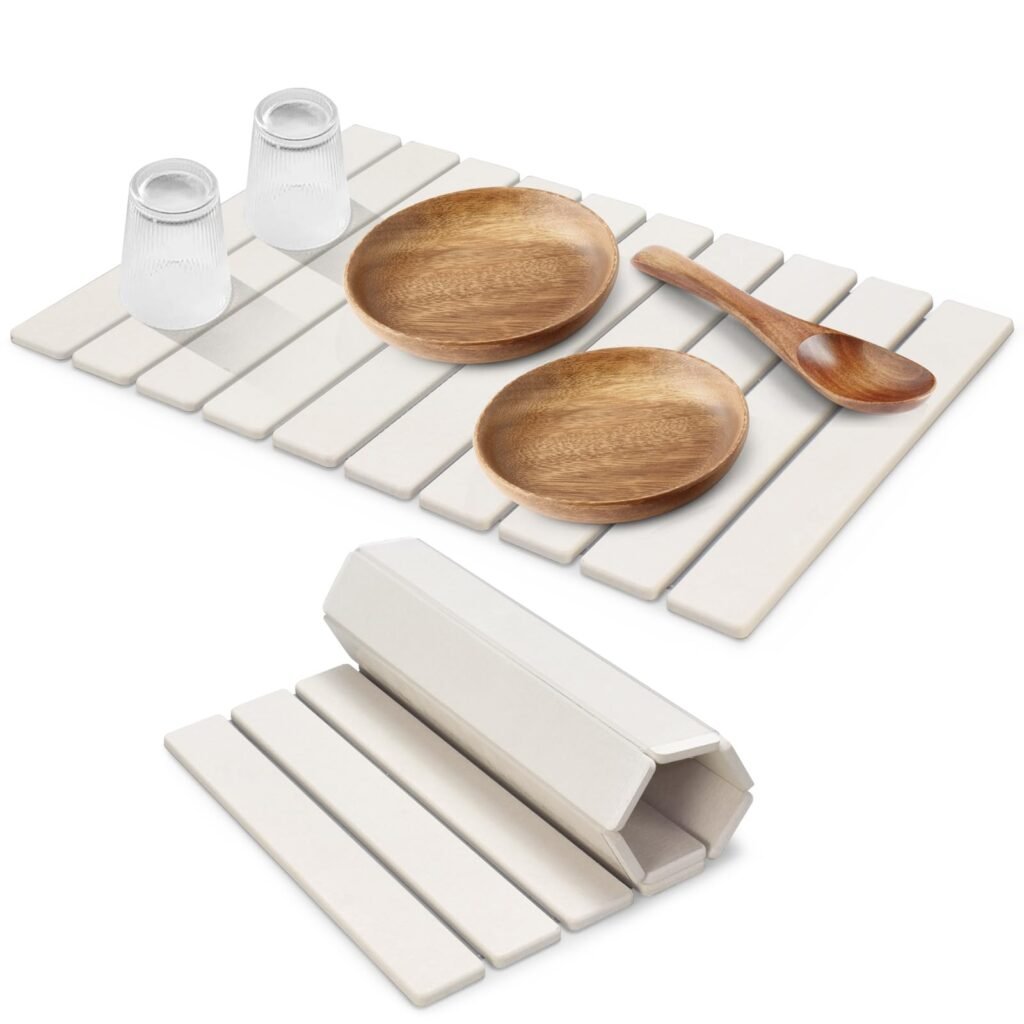
Stone Dish Drying Mat — A Stylish and Practical Kitchen Essential
A stone dish drying mat is a kitchen accessory designed to protect countertop surfaces while allowing washed dishes, glasses, and utensils to air dry efficiently. Made from stone-derived materials — such as diatomaceous earth, slate, or stone-infused composite — these mats combine absorbency, durability, and modern design to elevate both form and function in your kitchen.
Why Use a Stone Drying Mat
Unlike traditional cloth or sponge mats that need frequent washing and can harbor moisture, stone drying mats offer several advantages:
Superior Absorbency
Stone materials like diatomaceous earth naturally draw moisture away from dish surfaces and let water evaporate quickly. This helps dishes dry faster without pooling water that can dampen countertops.
Stays Cleaner Longer
Natural stone mats resist mold, mildew, and bacterial buildup more than traditional fabric mats — meaning less frequent washing and better hygiene.
Durability
Stone mats are generally hard-wearing and sturdy, lasting longer than cloth or silicone alternatives while retaining their shape and performance.
Stable Surface
Rigid stone or stone-composite mats provide a firm base for dishes, glasses, and utensils, preventing wobbling or tipping.
Modern Aesthetic
With natural textures and neutral tones, stone drying mats complement minimalist, industrial, or contemporary kitchen styles.
How Stone Drying Mats Work
Stone drying mats work through a combination of porosity and natural absorption:
- Micro-porous texture draws moisture from dishware’s contact points.
- Quick evaporation disperses the water into the air, rather than letting it pool.
- Flat, stable surface keeps dishes upright and secure during drying.
In the case of diatomaceous earth mats, the material is made from fossilized microscopic algae — creating a naturally absorbent surface with a matte, stone-like finish.
Typical Use Scenarios
A stone dish drying mat is ideal for:
- Under dish racks to catch drips from freshly washed plates and bowls
- Directly beneath hand-washed items like glasses, cups, utensils, and flatware
- Small kitchens or renters where counter space is limited, and you need a clean drying option
- Minimalist counters because stone mats are low-profile and visually subtle
Benefits Compared with Other Drying Mats
| Feature | Stone Drying Mat | Fabric/Terry Dish Mat | Silicone Mat |
|---|---|---|---|
| Absorbency | Excellent (quick dry) | Moderate, holds water | Moderate |
| Hygiene | High (mold-resistant) | Lower (can trap moisture) | Good |
| Maintenance | Easy (wipe/dry) | Frequent washing | Easy |
| Durability | High | Moderate | High |
| Aesthetic | Modern stone look | Cloth texture | Bright, casual |
Stone mats offer both function and design, making them a popular choice for contemporary kitchens.
Care and Maintenance
Caring for a stone dish drying mat is simple:
- Wipe away standing water with a dry cloth after heavy use.
- Air out daily — leaving it exposed to air helps moisture evaporate.
- Clean periodically with a mild soap and water, then dry thoroughly.
- Avoid leaving the mat in constant contact with standing pool water, as prolonged saturation can dull performance.
Placement Tips
- Put the mat near your sink or dishwasher for easy access.
- Ensure the mat lies flat and level on the countertop.
- Use it under a minimal dish rack if you still want structural support for heavier items.
Summary
A stone dish drying mat is a stylish and functional upgrade from traditional cloth or plastic mats. It helps your dishes dry faster and cleaner, protects countertops from drips and scratches, and adds a subtle, modern look to your kitchen. Its natural absorbency and resistance to mold and mildew make it a low-effort, high-performance solution for everyday dish drying.
If you’d like, I can explain how to choose the best stone drying mat size based on your sink and counter setup — just tell me your available space.