Sticky Notes
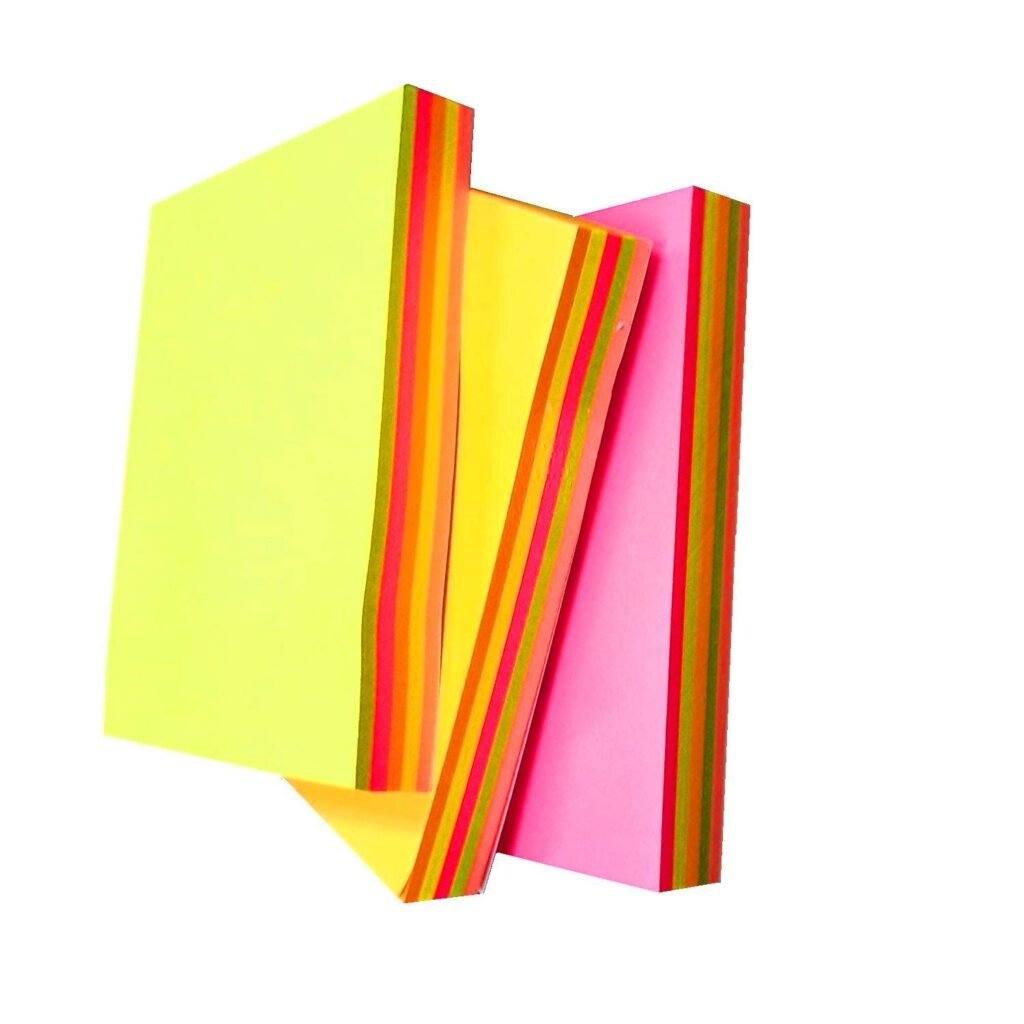
Sticky Notes — A Complete Guide to Quick, Flexible Reminders
Sticky notes are small pieces of paper with a re‑positionable adhesive strip on the back that lets you stick them to surfaces like walls, desks, computer screens, notebooks, or doors. They’re designed to help you quickly capture reminders, to‑dos, ideas, lists, and messages in a way that’s easy to see, move, or remove as needed.
Sticky notes are widely used in offices, schools, homes, and creative workspaces because they’re simple, convenient, and incredibly versatile.
What Sticky Notes Are
Sticky notes consist of:
- A pad of paper: Typically square or rectangular
- A strip of pressure‑sensitive adhesive: On the back of each sheet
- Bright colors or lined options: For visibility and organization
The adhesive is light enough to remove cleanly without damaging surfaces, yet strong enough to stay in place until you decide to reposition or discard the note.
Why Sticky Notes Are Useful
Sticky notes are useful because they help you:
Capture thoughts instantly
Jot down ideas, reminders, lists, or important information quickly without opening an app or notebook.
Visualize tasks and workflows
Stick them on boards, planners, or walls to see your priorities at a glance.
Organize without commitment
Since they’re removable, you can reposition them as your schedule or tasks change.
Share messages visibly
Use them to leave notes for family members, colleagues, or roommates.
Annotate books and projects
Use them as temporary bookmarks or reference markers.
Common Ways People Use Sticky Notes
To‑Do Lists
Break down tasks into manageable pieces and check them off as you go.
Reminders
Place notes where you’ll see them — on a laptop, door, or calendar.
Brainstorming
Write one idea per note and arrange them on a wall during planning sessions.
Study Aids
Highlight key points while studying or mark important pages.
Meeting Notes
Capture quick thoughts or agenda items during discussions.
Labeling
Temporary labels for files, boxes, or folders during organization.
Types of Sticky Notes
Standard Square or Rectangle
Most common shape for everyday reminders and lists.
Lined Sticky Notes
Pre‑printed lines make them ideal for writing neatly.
Colored Notes
Bright colors help categorize tasks, priorities, or topics.
Small Tabs or Flags
Thin markers for indexing books or binders.
Large Pads
Offer more writing space for longer notes or drawings.
Creative Shapes
Fun shapes (arrows, circles) can add visual cues to planning boards.
Benefits of Using Sticky Notes
Portable and Simple
No batteries, apps, or screens — just pen and paper.
Flexible Positioning
Move notes around without leaving residue.
Highly Visible
Place them where you can’t miss them.
Assist with Focus Break down tasks into visible mini‑steps that improve productivity.
Great for Group Work Team members can add ideas to a shared wall or board.
Tips for Effective Use
- Keep them visible: Place where you look often.
- Use colors to categorize: For example, yellow for tasks, pink for ideas.
- Write one idea per note: Makes grouping easier.
- Replace daily reminders: Refresh lists to stay organized.
- Pair with a planner or board: Use sticky notes to build task layouts.
Their simplicity helps you stay organized without overloading your routine.
Summary
Sticky notes are a timeless productivity tool that helps capture thoughts, plan tasks, organize ideas, and share reminders. Their repositionable design and bright colors make them ideal for visual thinkers, students, professionals, and anyone managing daily to‑dos or creative projects.
Whether you use them to map out a workflow, remind yourself of appointments, or brainstorm ideas on a wall, sticky notes remain one of the easiest and most effective tools for staying organized and productive.
If you’d like ideas for creative ways to use sticky notes in work or study workflows, just let me know!
t