Stainless Steel Colanders
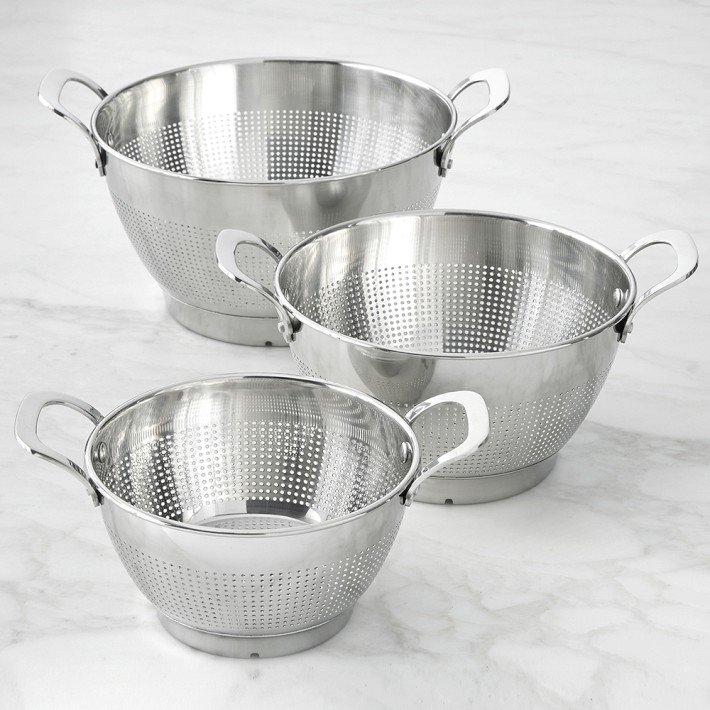
Stainless Steel Colanders — A Complete Guide to Durable, Practical Kitchen Strainers
A stainless steel colander is a classic, essential kitchen tool used for draining liquids from foods such as pasta, vegetables, beans, and rinsed grains. It’s a perforated bowl or basket designed to allow water to flow out while keeping solids inside — making it indispensable for everyday cooking tasks.
Because it’s made of stainless steel, this type of colander is especially durable, rust‑resistant, and easy to clean — qualities that make it a kitchen staple for home cooks and professional chefs alike.
What a Stainless Steel Colander Is Used For
Stainless steel colanders are versatile and useful in a wide variety of tasks, including:
Draining cooked pasta, rice, or noodles
Rinsing fresh fruits and vegetables
Straining beans, lentils, or legumes
Washing leafy greens
Draining canned foods
Rinsing grains like quinoa or bulgur
Whenever you need to separate solid food from liquid quickly and safely, a colander does the job with minimal mess.
Why Stainless Steel Is a Great Material
A colander made from stainless steel has several advantages:
Durability
Stainless steel is strong and won’t crack or warp like plastic can. It stands up well to heat and heavy loads.
Rust Resistance
Unlike materials that can corrode or degrade when wet over time, stainless steel maintains its integrity even after frequent use and washing.
Easy to Clean
Smooth metal surfaces and larger holes make cleanup fast, whether by hand or in the dishwasher.
Heat Tolerance
Metal won’t melt or deform if used with boiling water — ideal for draining pasta right off the stove.
Odor and Stain Resistant
Stainless steel doesn’t hold onto smells or stains the way plastic can, so your colander stays fresh and clean.
Common Features to Know
Hole Size and Pattern
Different colanders have varying hole sizes and spacing. Finer holes are better for smaller foods like rice or quinoa, while larger holes work well for pasta and vegetables.
Shape and Size
Bowl‑style colanders are common for countertop use.
Collapsible or nested colanders save storage space.
Sizes vary from small (for individual use) to large (for family meals or big batches).
Handles
Good colanders have sturdy handles that make it easier to lift and shake out excess water without burning your hands.
Stable Base
Some come with feet or a ringed base so they can stand upright in the sink or on a countertop.
How to Use a Stainless Steel Colander
Place in the sink or on a stable surface.
Pour the cooked food and liquid into the colander.
Shake or tap gently to drain excess water.
Rinse if needed (for vegetables or canned foods).
Let drain thoroughly before transferring food to a bowl or serving dish.
For hot foods like pasta, it’s often helpful to use potholders or a kitchen towel to grip the handles safely.
Care and Cleaning
Most stainless steel colanders are dishwasher safe.
For quick hand washing, use warm, soapy water and a sponge.
To keep holes free of stuck food particles, use a soft brush or scrub pad.
Stainless steel doesn’t require special detergents, but avoid harsh steel wool which can scratch the surface.
With regular cleaning, a stainless steel colander will last for many years.
Benefits of Using a Stainless Steel Colander
Long lifespan — doesn’t wear out like plastic alternatives
Safe with hot foods — perfect for boiling water and steaming
Easy maintenance — dishwasher friendly
Multi‑purpose — suitable for a wide range of foods
Hygienic — resists stains and odors
Once you start using a stainless steel colander regularly, you’ll notice how much easier it makes everyday kitchen tasks — from draining pasta to prepping fresh produce.
Summary
A stainless steel colander is a simple but vital kitchen tool that offers durability, heat resistance, ease of cleaning, and reliable performance for every‑day food preparation. Whether you’re rinsing vegetables, draining cooked pasta, or washing grains, a stainless steel colander combines strength with convenience — making it a dependable companion in cooking and food prep.
If you’d like, I can explain how to choose the right colander size and hole type based on the foods you cook most often!