Snake Inspection Endoscope
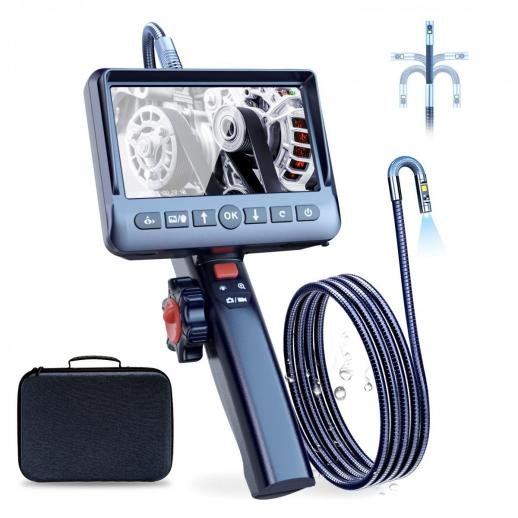
Snake Inspection Endoscope: The Complete In-Depth Guide to Flexible Visual Inspection Technology
In today’s world of advanced tools and smart maintenance solutions, the snake inspection endoscope has become an essential device for professionals and homeowners alike. Designed to explore spaces that are too narrow, dark, or inaccessible for direct human vision, this flexible inspection tool provides real-time visuals of hidden environments without requiring dismantling or destructive procedures.
Also known as a borescope, inspection camera, or pipe camera, the snake inspection endoscope combines compact camera technology, flexible cabling, LED illumination, and digital display systems into a single powerful diagnostic device. Its ability to deliver clear internal views of confined spaces has made it indispensable in plumbing, automotive repair, industrial maintenance, construction, HVAC systems, and even household troubleshooting.
Understanding the Snake Inspection Endoscope
At its core, a snake inspection endoscope is a flexible camera system engineered for confined space inspection. The term “snake” refers to its long, bendable probe that can twist and maneuver through tight corners and narrow passages. Unlike rigid inspection scopes, the flexible probe allows access to curved or complex pathways such as drain pipes, duct systems, engine compartments, and wall cavities.
The primary components include:
1. Flexible Probe Cable
The probe is typically constructed from semi-rigid or flexible materials that allow it to maintain shape while navigating bends. Probe lengths vary widely, from short cables suitable for automotive diagnostics to extended lengths used in deep plumbing or industrial inspections.
2. Miniature Camera Head
Attached to the end of the probe is a tiny high-resolution camera. Advances in micro-optics have enabled powerful imaging sensors to be housed within extremely small diameters, allowing access to narrow openings.
3. LED Illumination System
Because inspection environments are often completely dark, integrated LED lights surround the camera lens. Adjustable brightness ensures clear visibility regardless of environmental lighting conditions.
4. Display or Connectivity Interface
The captured visuals are transmitted in real time to either:
- A built-in LCD display
- A smartphone or tablet via USB or Wi-Fi
- A connected computer system
Some models also allow image capture, video recording, and file storage for documentation.
How a Snake Inspection Endoscope Works
The operation of a snake inspection endoscope is straightforward yet technologically impressive.
When inserted into a confined space, the LED lights illuminate the surrounding environment. The camera captures live video footage and sends the signal through the cable to the connected display device. Users can monitor the feed instantly and guide the probe further as needed.
Modern devices may include additional features such as:
- Adjustable focus
- Side-view or dual-lens cameras
- Rotatable camera heads
- Digital zoom functions
- Temperature resistance for industrial use
The flexibility of the probe allows it to snake through bends and corners while maintaining video clarity.
Applications Across Industries
The versatility of snake inspection endoscopes makes them valuable in numerous professional and domestic scenarios.
Plumbing and Drain Inspection
One of the most common uses is within plumbing systems. Pipes are often concealed behind walls or underground, making visual inspection difficult. A snake inspection endoscope allows plumbers to:
- Identify blockages or clogs
- Detect cracks, corrosion, or leaks
- Locate foreign objects
- Inspect sewer lines
- Diagnose root intrusion in pipes
This non-invasive approach reduces unnecessary digging or structural damage.
Automotive and Mechanical Inspection
Automotive technicians frequently use inspection cameras to view internal engine components without full disassembly. The device can help inspect:
- Engine cylinders
- Pistons and valves
- Cooling systems
- Exhaust components
- Wiring behind dashboards
This saves time and labor while enabling accurate diagnostics.
Home Maintenance and Construction
In residential settings, snake inspection endoscopes assist with:
- Inspecting wall cavities
- Checking insulation conditions
- Identifying pest infestations
- Examining structural framing
- Viewing wiring inside conduits
Builders and contractors also use them to verify hidden installations during construction projects.
HVAC Systems
Heating, ventilation, and air conditioning systems contain complex ductwork and hidden components. Inspection cameras allow technicians to:
- Locate debris or obstructions
- Check for mold or buildup
- Inspect internal fans and motors
- Examine ventilation pathways
This ensures proper airflow and system efficiency.
Industrial and Manufacturing Environments
Industrial facilities use snake inspection endoscopes to examine:
- Internal machinery components
- Weld joints
- Pipelines
- Boilers
- Turbines
The ability to inspect without dismantling heavy equipment significantly reduces downtime and maintenance costs.
Technical Specifications and Features
Snake inspection endoscopes vary widely in capability. Understanding technical aspects helps explain their effectiveness.
Camera Resolution
Higher resolution provides clearer visuals. Modern models often offer HD or Full HD imaging for detailed inspection.
Probe Diameter
Probe thickness determines where the device can fit. Smaller diameters allow entry into tighter openings.
Probe Length
Short cables are ideal for small repairs, while longer cables are used for deep pipeline inspection.
Waterproof Ratings
Many camera heads are waterproof to allow inspection inside wet pipes or submerged environments.
Storage and Recording
Built-in memory or external storage options allow image and video capture for reporting and analysis.
Advantages of Using a Snake Inspection Endoscope
The benefits of this technology are significant:
Non-Destructive Inspection
There is no need to break walls, dismantle equipment, or excavate pipes prematurely.
Cost Efficiency
Early detection prevents expensive structural damage or prolonged repairs.
Time Saving
Real-time visuals provide immediate insight into internal conditions.
Improved Accuracy
Seeing the problem directly reduces guesswork in diagnostics.
Versatility
One device can be used across multiple environments and industries.
Limitations and Considerations
While highly effective, snake inspection endoscopes do have considerations:
- Extremely long probes may reduce image clarity.
- Very tight bends can be difficult to navigate.
- Professional-grade models can be more costly.
- Proper handling is required to avoid cable damage.
Understanding these factors ensures optimal performance and longevity.
The Evolution of Inspection Technology
Inspection tools have evolved dramatically over time. Earlier inspection methods relied heavily on physical dismantling or guesswork. The development of miniature cameras and flexible fiber-optic technology transformed maintenance and diagnostics.
Today’s snake inspection endoscopes incorporate digital imaging sensors, wireless transmission, and enhanced LED lighting, making them more powerful, compact, and user-friendly than ever before. As technology advances, image quality and functionality continue to improve, expanding their applications even further.
Safety and Best Practices
Using a snake inspection endoscope responsibly ensures safe and effective inspection.
- Always power down electrical systems before inspection.
- Avoid forcing the probe into extremely tight spaces.
- Clean the probe after use, especially in wet or contaminated environments.
- Store properly to prevent cable bending damage.
Following these practices preserves equipment functionality and ensures accurate results.
Conclusion
The snake inspection endoscope represents a remarkable blend of flexibility, imaging technology, and practical design. Its ability to access confined spaces, illuminate dark environments, and provide real-time visuals has transformed inspection practices across plumbing, automotive repair, construction, HVAC maintenance, and industrial diagnostics.
By eliminating the need for destructive inspection methods, this versatile device saves time, reduces costs, and enhances precision. Whether used by professionals or homeowners, the snake inspection endoscope remains one of the most valuable tools for uncovering hidden problems and maintaining systems efficiently.
As technology continues to advance, these devices are becoming more compact, more powerful, and more accessible — ensuring their continued importance in modern inspection and maintenance practices.