Sleeping earplugs
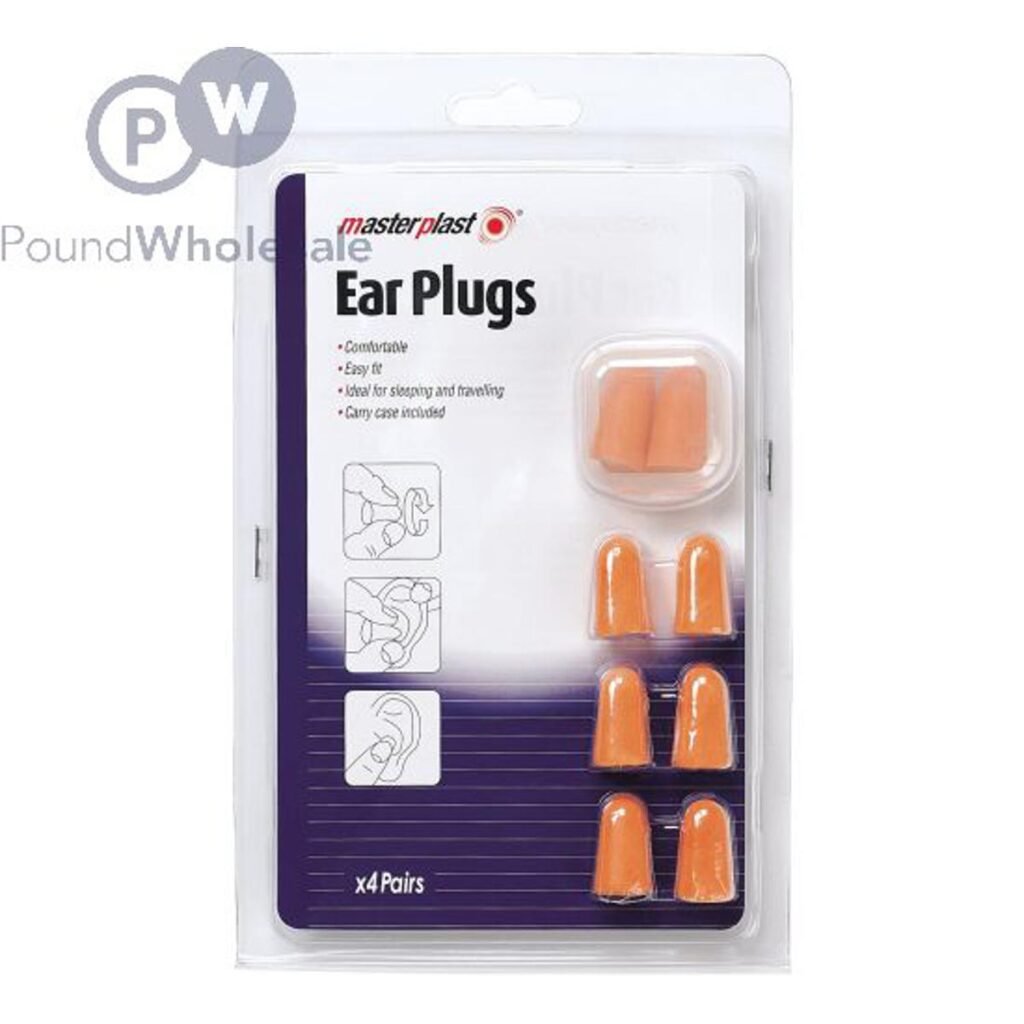
Sleeping Earplugs — A Complete Guide to Better, Quieter Sleep
Sleeping earplugs are small, soft devices designed to be gently placed in your ear canal to block out noise and distractions while you sleep. They help create a quieter environment so your brain can unwind, your body can rest, and you can fall asleep and stay asleep more easily — especially in noisy settings like busy streets, snoring partners, travel situations, or shared living spaces.
Why People Use Sleeping Earplugs
Many everyday sounds can interrupt sleep — from traffic, pets, and household noises to loud neighbors or airplane cabins. Even subtle disruptions can affect sleep quality over time. Sleeping earplugs help by:
- Reducing ambient noise levels
- Minimizing sudden sound spikes
- Promoting deeper, more restorative rest
- Helping you wake up feeling refreshed
They’re a simple, portable tool for anyone seeking peace and quiet at bedtime.
How Sleeping Earplugs Work
Earplugs create a physical barrier that reduces sound entering your ears. Most are made of soft foam, silicone, or wax with a gentle shape that fits comfortably inside the ear canal.
There are two main approaches:
Passive Earplugs
These rely on soft material to block or dampen sound naturally. They don’t amplify or change noise — they just reduce it.
Filtered or Acoustic Earplugs
These include small sound filters that let through safe frequencies (like low ambient sounds) while reducing louder noises. The result can feel more natural and less “plugged” than foam.
Both types aim to help you sleep by creating a calmer auditory environment.
Common Situations Where Earplugs Help
Noisy Bedrooms
Traffic, street sounds, or neighborhood noise can make falling asleep difficult.
Travel & Transit
Planes, trains, and buses are often loud with engines and cabin noise.
Shared Living Spaces
Apartment walls, roommates, or shared bedrooms make silence hard to come by.
Snoring Partners
Earplugs help many people sleep through snoring and irregular nighttime sounds.
Shift Work or Daytime Sleep
Irregular sleep schedules often require blocking daytime noise.
In each of these cases, earplugs let your brain focus on rest instead of reacting to every sound.
Types of Sleeping Earplugs
1. Foam Earplugs
- Soft, expand‑to‑fit
- Excellent noise reduction
- Affordable and disposable
Good for general noise blocking.
2. Silicone Earplugs
- Moldable or pre‑shaped
- Reusable and washable
- Comfortable for many sleepers
Great for repeated use and travel.
3. Wax Earplugs
- Soft and gentle
- Conform to ear shape
- Good for sensitive ears
Often used when comfort is a priority.
4. Filtered Earplugs
- Reduce loud noises selectively
- Allow comfortable ambient sound
Ideal if complete silence feels uncomfortable.
Benefits of Sleeping Earplugs
Better Sleep Quality
Blocking noise helps you fall asleep faster and reduces nighttime awakenings.
Increased REM Sleep
Less noise interference can improve deeper sleep stages.
Portable and Affordable
Tiny and inexpensive — easy to carry and replace.
Simple to Use
No setup or technology required — just insert before bed.
Tips for Comfortable Use
1. Choose the Right Size
Ear canals vary, so a snug but comfortable fit is key.
2. Insert Gently
Push earplugs in slowly — they should seal without pain.
3. Clean Reusable Earplugs
Wash silicone or wax plugs with mild soap and water to keep them hygienic.
4. Replace Foam Regularly
Foam earplugs lose effectiveness after a few uses.
5. Don’t Force Them
If an earplug hurts, remove and try a softer style or different size.
Safety Considerations
- Avoid pushing plugs deep into the ear canal.
- Keep ears clean — excessive wax buildup can happen with frequent use.
- If you have ear pain, infection, or ear tube issues, consult a healthcare professional before using earplugs.
Earplugs are generally safe, but proper use helps avoid discomfort or irritation.
Summary
Sleeping earplugs are a simple, effective way to block noise and improve restful sleep. By reducing ambient sound and sudden disturbances, they help your brain relax and stay in sleep mode longer. Portable, affordable, and easy to use, they’re a handy tool for anyone struggling with noise interference — whether at home, on the road, or in shared environments.
Choose the right style for your comfort and noise‑blocking needs, and enjoy quieter nights and better sleep.
If you want, I can explain how to pick earplugs based on your noise environment — whether traffic noise, snoring, or travel sounds. Just tell me what you’re trying to block!