Security Cameras Wireless Outdoor
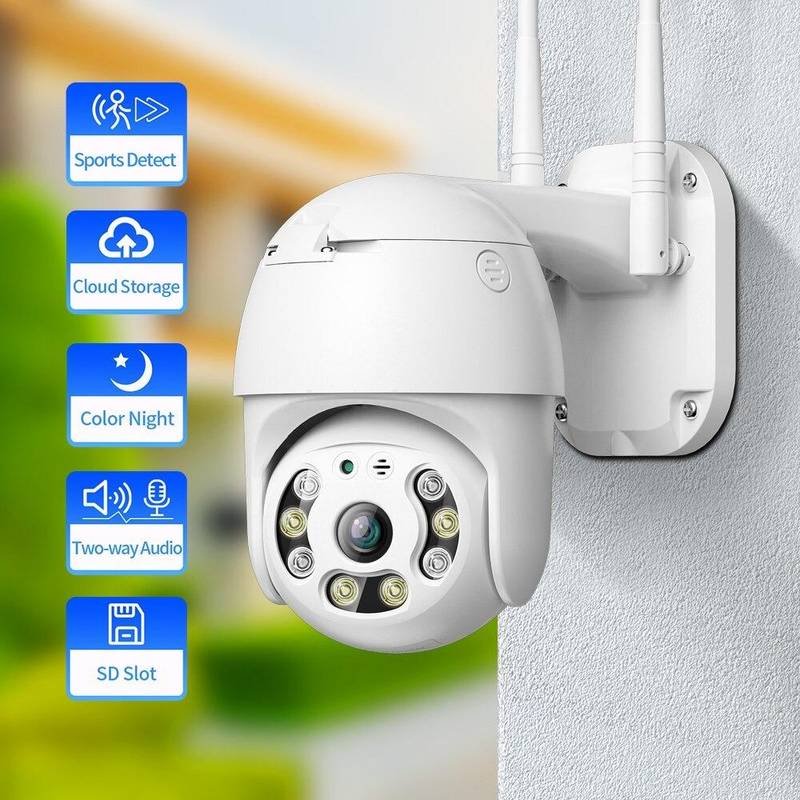
Wireless Outdoor Security Cameras — A Complete Guide
Wireless outdoor security cameras are surveillance devices designed to monitor the exterior of a home, business, or property without the need for hard‑wired video cables. They use Wi‑Fi or cellular signals to transmit video to a smartphone, tablet, or computer, making them popular for modern, flexible security systems.
These cameras are built to withstand outdoor conditions and provide continuous monitoring of areas such as driveways, yards, entry points, garages, patios, and fences. By combining durability with smart connectivity, wireless outdoor cameras help owners keep an eye on their property remotely and securely.
How Wireless Outdoor Security Cameras Work
Wireless outdoor security cameras rely on one or more forms of wireless communication:
- Wi‑Fi Connectivity: Most consumer models connect to a home network via Wi‑Fi. Once connected, they stream live video and send alerts over the internet.
- Cellular Cameras: Some outdoor cameras use mobile data (SIM card) instead of Wi‑Fi, which is useful in locations without reliable internet.
- Battery or Solar Power: Many wireless models are battery‑powered or paired with solar panels, eliminating the need for an electrical outlet and increasing placement flexibility.
Cameras capture video continuously, on motion detection, or on a schedule, and store it in local storage (microSD card) or in cloud storage for later review.
Key Features
Video Quality
Outdoor cameras often record in high resolution — from standard HD (720p) to Full HD (1080p) and 4K — so details like faces and license plates are clearer. Higher resolution improves the usefulness of recorded footage, especially in security situations.
Motion Detection and Alerts
Motion sensors trigger recording when movement is detected. Cameras can push real‑time alerts to a connected device, reducing the need to watch footage manually. Some systems allow users to set detection zones so only specific areas trigger alerts.
Night Vision
Because outdoor surveillance must work day and night, most models include infrared LEDs or low‑light sensors that capture clear footage even in darkness. Night vision ensures events are recorded regardless of lighting conditions.
Weatherproof Housing
Outdoor cameras are built with weather resistance in mind. They have an IP rating (e.g., IP65 or higher) that indicates protection against rain, dust, and temperature changes. This durability is essential for cameras mounted outside year‑round.
Two‑Way Audio
Higher‑end cameras include built‑in microphones and speakers. This allows users to hear what’s happening near the camera and speak through it — useful for greeting visitors, warning intruders, or communicating with delivery personnel.
Remote Viewing
Thanks to wireless connectivity, users can watch live video or review past recordings anywhere with internet access. Companion mobile apps let homeowners view multiple cameras, adjust settings, and receive alerts from a single dashboard.
Power Options
Wireless outdoor cameras may be powered in different ways:
Battery Power
Battery‑powered cameras do not require a wired connection and offer flexible placement. They are easy to install and can run for weeks or months on a single charge, depending on usage patterns and battery size.
Solar Panels
Adding a solar panel lets the camera recharge continuously in sunlight. Solar‑powered systems minimize the need for manual recharging and are ideal for remote areas or locations where running power cables isn’t feasible.
Wired Power
Some cameras still rely on a nearby power source. Even though they transmit video wirelessly, they must be connected to an electrical outlet for consistent power. This setup ensures uninterrupted operation without battery changes.
Storage and Recording
Wireless outdoor cameras offer options for video storage:
- Local Storage: Many have microSD card slots, allowing footage to be saved locally on the camera.
- Cloud Storage: Subscription‑based cloud storage stores videos securely online, enabling access from anywhere and providing backup in case the physical camera is damaged or stolen.
- Continuous Recording vs Event Recording: Cameras can be set to record constantly or only when motion is detected, helping conserve storage space and make footage easier to review.
Placement and Coverage
Proper placement is important for effective outdoor surveillance. Cameras should be positioned:
- At entry points such as doors and garage access
- Over driveways or walkways
- At angles that cover blind spots around the property
- High enough to avoid tampering yet angled to capture faces and activity
Weather exposure, Wi‑Fi range, and sight lines should be considered when choosing placement locations. Ensuring strong network signal strength at the camera location helps maintain stable video streaming and alert functionality.
Safety and Privacy
Wireless outdoor systems should be installed with security best practices in mind. Changing default passwords, enabling encryption where available, and using secure network settings help protect the system from unauthorized access. Cloud accounts should be secured with strong passwords and, when possible, two‑factor authentication.
Conclusion
Wireless outdoor security cameras provide a modern, flexible way to monitor property without the complexity of wiring. With high‑resolution video, motion detection, night vision, and remote access via mobile apps, they make surveillance accessible and effective for everyday use. By selecting weatherproof construction, appropriate power options, and reliable storage solutions, homeowners can create a customized outdoor monitoring setup that enhances peace of mind and strengthens security.