Professional volley ball net
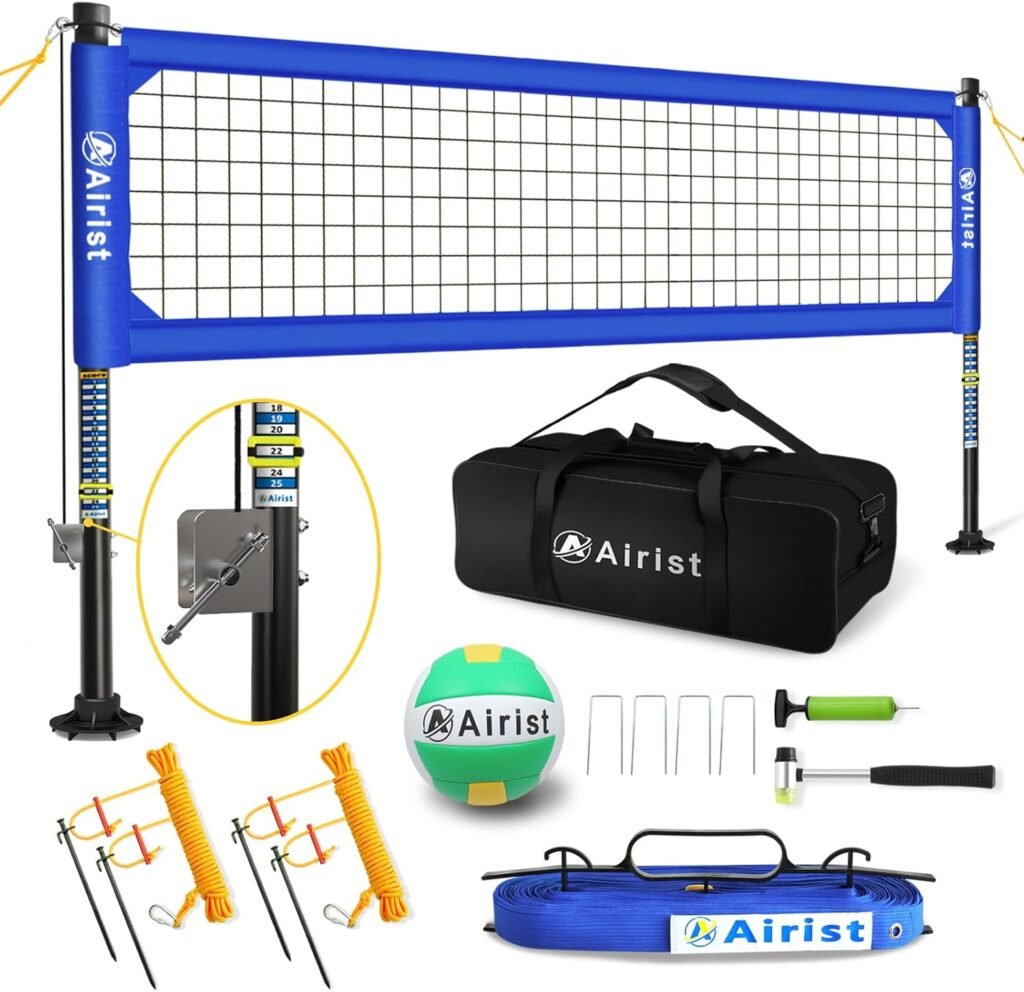
Professional Volleyball Net — A Complete Guide to Standards, Setup & Play
A professional volleyball net is the central piece of equipment for the sport of volleyball. It serves as the barrier dividing the two sides of the court and is built to official regulation standards to ensure fair play, durability, and consistent performance whether you’re playing in training, school competitions, club matches, or professional settings.
Role of the Volleyball Net
In volleyball, players aim to send the ball over the net and into the opponent’s court while preventing the other side from doing the same. The net’s height, tension, strength, and stability are crucial — too slack and the ball can brush through; too stiff and it can rebound unpredictably.
A professional net creates a consistent playing surface that both teams can rely on during serves, spikes, blocks, and rallies.
Official Specifications
Professional volleyball nets are typically built to match official regulations used by associations like the FIVB (Fédération Internationale de Volleyball) and most competitive leagues:
Standard Dimensions
Length: 9.5–10 meters (31–33 feet)
Height for Men’s Play: 2.43 meters (approx. 7 ft 11 ⅝ in)
Height for Women’s Play: 2.24 meters (approx. 7 ft 4 ⅛ in)
These measurements ensure all players compete on fair and familiar terms.
Mesh Size
Square mesh openings are typically about 10–11 cm (4 in) wide on each side — large enough for light wind passage but small enough to prevent the ball from slipping through.
Top Band
Reinforced with thick white tape or PVC to strengthen the top edge and provide visual contrast.
Antennae
Flexible rods (one on each side) that extend above the net plane — marking the vertical boundary of legal play.
Materials and Build Quality
Professional volleyball nets are made to withstand frequent contact with the ball, players, and tension forces from proper installation:
Netting
High-density polyethylene (HDPE) or similar durable synthetic fibres
Resistant to wear, weather, and UV exposure for both indoor and outdoor use
Top and Bottom Tapes
Reinforced bands (PVC or canvas) improve durability and help maintain shape
Bottom tape may help with tension and stability
Edge Binding
Strong stitching and binding prevent fraying and extend net life
Ropes and Cords
High-strength cords at edges allow tight, even tension when mounted on poles
Quality materials mean the net stays taut, symmetrical, and consistent even after many games.
Where Professional Volleyball Nets Are Used
Professional-grade nets are suitable for:
Competitive matches (school, club, regional leagues)
Training facilities and courts
Outdoor beach volleyball (with weather-resistant materials)
Indoor gymnasiums with dedicated mounting systems
Community courts and sports complexes
They’re built to handle the rigours of regular play while delivering reliable performance.
Installation and Tensioning
Correct setup is essential:
Poles/Standards
Net poles must be sturdy and stable — either anchored into the ground/court frame or weighted for portable systems.
Height Adjustment
Many systems have adjustable ratchet or crank systems to fine-tune net height for men’s or women’s competition.
Net Tension
The net should be pulled evenly and kept taut so the top edge stays flat and firm — this enhances playability and ensures predictable ball behaviour.
Antennae Placement
Mounted at the edges of the net and aligned vertically above the sidelines to mark the legal playing space.
Benefits of Professional-Grade Nets
Consistency
Built to official standards for fair competition and predictable performance.
Durability
High-quality materials and reinforced edges withstand frequent use and weather exposure.
Stability
Proper tensioning and solid mounting systems prevent sagging or uneven play surfaces.
Safety
Well-stitched nets and secure installations help reduce equipment failure during play.
Care and Maintenance Tips
Check Tension Regularly: Ensure proper net height and tightness before games.
Store Dry: Outdoor nets should be removed and dried if wet to prevent mildew.
Inspect for Wear: Look for fraying or loose knots and repair before play.
Clean When Needed: Light cleaning keeps the net free of grime and staining.
Good maintenance prolongs the life of your net and keeps matches enjoyable.
Summary
A professional volleyball net is engineered for competitive play with regulated dimensions, reinforced construction, and stable mounting. Built from durable materials and designed to maintain consistent tension and height, it provides a fair and safe playing surface whether you’re training, competing in leagues, or enjoying regular games. Proper setup, tension, and maintenance keep the net performing well across seasons and ensure quality play for you and other athletes.
If you’d like, I can explain how to measure and set up a net perfectly for your court size or beach volleyball environment — just let me know your space details!