Open ear headphones
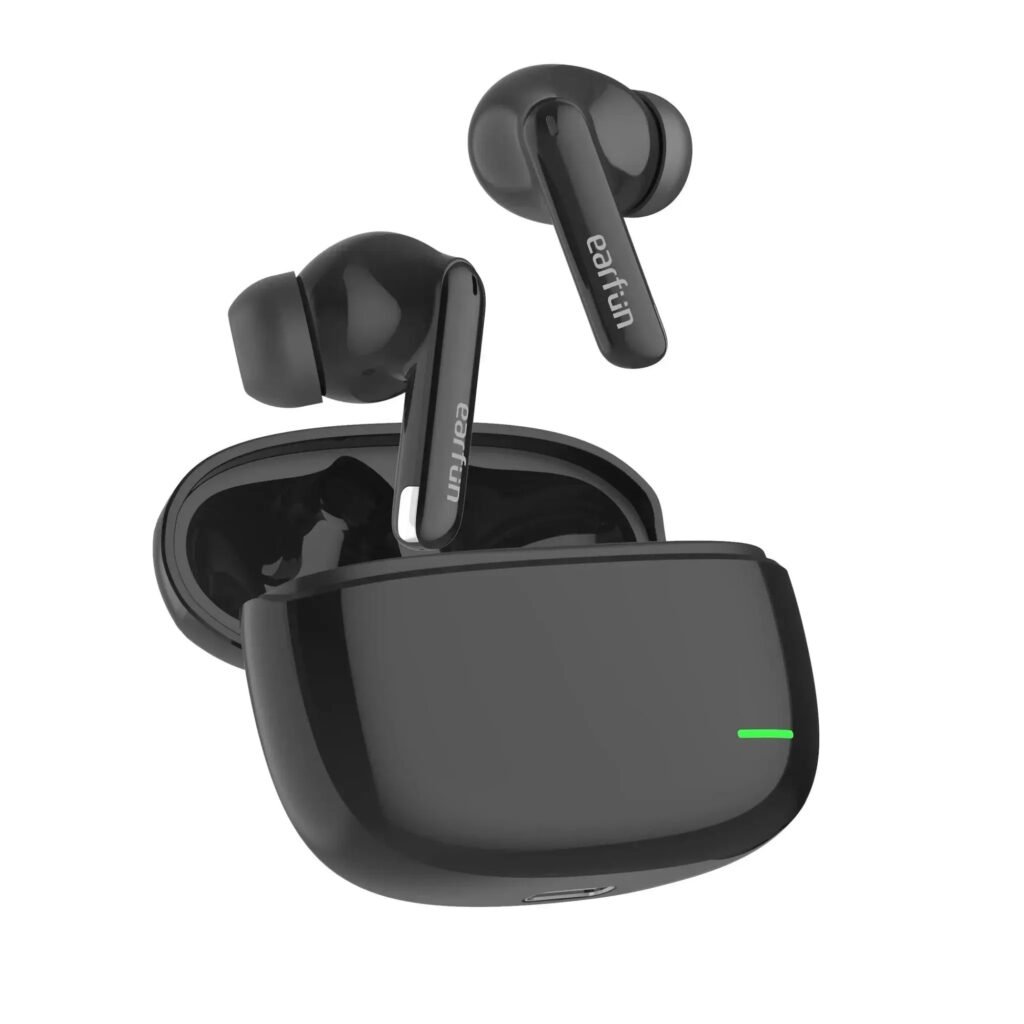
Open-Ear Headphones
Open-ear headphones are headphones designed to sit outside or near the ear instead of inside the ear canal. This design allows users to listen to audio while still hearing surrounding sounds such as traffic, voices, or alerts.
Unlike traditional earbuds that seal the ear canal with silicone tips, open-ear headphones keep the ear canal open and rest gently around the ear.
How Open-Ear Headphones Work
Open-ear headphones deliver sound in two main ways:
1. Air Conduction
Small speakers are positioned close to the ear canal and direct sound waves toward the ear without blocking it. This allows both the audio and surrounding environmental sounds to be heard simultaneously.
2. Bone Conduction
Some open-ear models transmit sound vibrations through the cheekbones or skull directly to the inner ear, bypassing the eardrum.
Both technologies keep the ears open while delivering audio.
Key Features
Common features of open-ear headphones include:
- Open design that does not block the ear canal
- Bluetooth wireless connectivity
- Lightweight and comfortable fit
- Sweat or water resistance for sports
- Built-in microphones for calls
- Long battery life with charging cases
Many models also include touch controls and voice assistant support.
Advantages
Environmental awareness
Users can hear surrounding sounds, which improves safety when running, cycling, or walking outdoors.
Comfort for long use
The open design reduces pressure inside the ear and allows airflow, which can prevent heat and sweat buildup.
Better ear hygiene
Because the ear canal is not blocked, there is less moisture and irritation during extended wear.
Disadvantages
- Limited noise isolation
- Weaker bass compared with sealed headphones
- Sound leakage in quiet environments
Traditional in-ear headphones generally provide stronger sound isolation and deeper bass because they seal the ear canal.
Popular Open-Ear Headphones
Some well-known examples include:
Shokz OpenRun Pro
Bose Ultra Open Earbuds
Sony LinkBuds
These models are designed for comfort, situational awareness, and wireless listening.
Who Should Use Open-Ear Headphones
Open-ear headphones are particularly useful for:
- Runners and cyclists
- Gym workouts
- Outdoor activities
- Commuting
- People who dislike earbuds inside the ear
They are ideal when safety and awareness of surroundings are important.
If you want, I can also explain:
- The difference between open-ear, bone-conduction, and normal earbuds
- The best open-ear headphones under $50 / $100
- Trending open-ear headphone models in 2025–2026.