Lines Laser Level
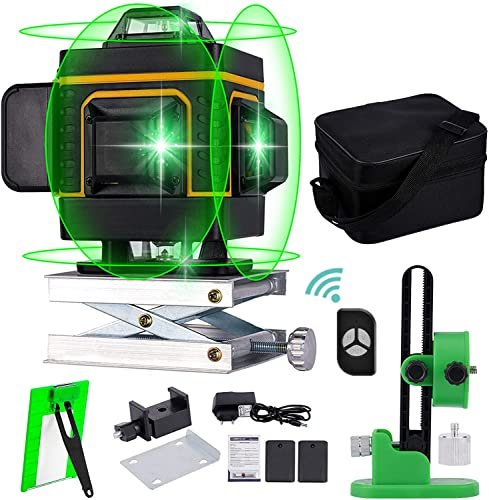
Line Laser Level — A Complete Guide to Precision Alignment and Levelling
A line laser level (often called a laser level) is a tool that projects straight, visible lines — either horizontally, vertically, or both — to help you align, level, and square objects with accuracy. It’s widely used in construction, carpentry, interior decorating, tiling, shelving, and DIY home projects where precision matters.
Rather than relying on manual bubble levels or chalk lines, a laser level gives you instant reference lines that are easy to see and highly accurate across distances.
How a Line Laser Level Works
Laser levels use a built-in laser diode and optical components to project one or more straight beams onto a surface. These beams form:
- Horizontal lines — for level reference
- Vertical lines — for plumb alignment
- Cross lines — intersecting points for square layouts
Some models also project a dot laser to mark a single reference point.
More advanced versions include self-levelling mechanisms (internal pendulum) that automatically adjust the beam to true horizontal or vertical if the tool is slightly tilted.
Why People Use Laser Levels
Laser levels are preferred for tasks that require accuracy and speed, including:
Hanging Shelves & Cabinets
Straight, level lines make sure shelves sit flat and aligned around the room.
Installing Tile
Laser lines help guide tile placement so rows stay uniform and straight.
Framing & Drywall Installation
Ensures studs, frames, and panels are aligned exactly where they should be.
Wallpaper & Accent Walls
Helps align seams and patterns consistently from floor to ceiling.
Electrical & Plumbing Layouts
Ensures fixtures and fittings are installed on a precise plane.
Key Features to Know
Line Orientation
- Horizontal: Keeps things level side-to-side
- Vertical: Helps with plumb measurements
- Cross Lines: Provides both horizontal and vertical alignment simultaneously
Self-Levelling
Many laser levels correct small tilt errors automatically so you don’t need to fine-tune manually.
Range & Visibility
Laser visibility depends on:
- Beam brightness
- Distance (e.g., 30 ft, 60 ft, or more)
- Ambient light conditions
- Some lasers can be used with a detector for extended outdoor range
Mounting Options
Laser levels may have built-in magnets or tripod threads to attach to stands or metal surfaces.
Battery-Powered
Portable models run on rechargeable or replaceable batteries for on-site convenience.
Benefits of Using a Line Laser Level
Accuracy
Lasers provide straight, true reference lines that are more precise than manual marking.
Speed
Laser projection speeds up alignment work — no chalking or repeated measuring required.
Versatility
Useful across many trades and DIY tasks, from simple hanging projects to complex installations.
Hands-Free Alignment
Once set up, the laser line remains visible and stable while you work.
How to Use a Line Laser Level — Basics
- Set Up the Level: Place on a flat surface, clamp, or tripod.
- Power On: Turn on the laser — choose horizontal, vertical, or cross mode.
- Adjust Height/Angle: Position at the level you need (e.g., eye height for shelving).
- Check Plumb/Level: Most self-levelling models adjust automatically; manual models need bubble level checks.
- Mark Reference Points: Use the projected line as your guide for drilling, installing, or marking.
Common Situations Where Laser Levels Shine
Wall Decor & Shelving Keep rows of frames, mirrors, or hooks perfectly aligned.
Flooring & Tile Work Use straight lines to guide tile rows without deviation.
Door/Window Frames Ensures openings are plumb and square within a wall structure.
Deck & Fence Alignment Keeps posts and rails in straight, level lines across outdoor spaces.
Care and Maintenance Tips
- Store Safely: Keep the unit in its case when not in use.
- Clean Optics: Wipe laser windows gently to prevent dust buildup.
- Avoid Dropping: Laser components are sensitive — handle with care.
- Check Calibration: Over time or after impact, some models require recalibration.
Summary
A line laser level is a practical, accuracy-boosting tool for anyone doing alignment, leveling, or layout work — from professionals on the job site to DIY enthusiasts at home. By projecting precise horizontal, vertical, or cross lines, it simplifies complex tasks and helps ensure everything you install is straight, level, and visually pleasing.
Whether you’re hanging shelves, installing tiles, framing walls, or aligning décor, a laser level brings speed, precision, and confidence to the job — helping you get excellent results with less guesswork.
If you’d like, I can explain how to choose the right laser level model based on the kind of projects you do (e.g., small room tasks vs. construction-grade work). Just let me know what you’ll use it for!