Jeringas
Jeringas
Jeringas are medical tools used to inject or withdraw liquids from the body. They are commonly used in healthcare settings for administering medications, vaccines, and fluids, as well as for drawing blood or other liquids. Jeringas are essential medical devices used in hospitals, clinics, laboratories, and sometimes at home under medical supervision.
What Jeringas Are
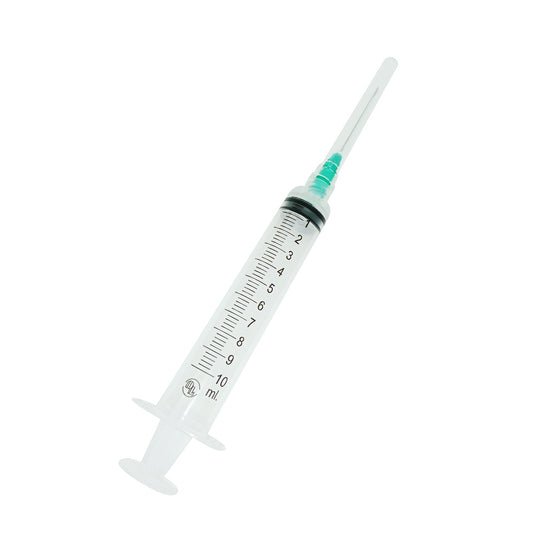
A jeringa typically consists of three main parts:
- Barrel: The transparent tube that holds the liquid medication or fluid.
- Plunger: A movable rod that pushes or pulls liquid in and out of the barrel.
- Needle: A thin hollow metal tube attached to the tip of the syringe that allows liquid to enter or leave the body.
Some syringes come with the needle already attached, while others allow the needle to be attached separately depending on the medical need.
How Jeringas Work
Jeringas operate through a simple mechanism. When the plunger is pulled back, liquid is drawn into the barrel through the needle. When the plunger is pushed forward, the liquid is forced out through the needle. This controlled movement allows precise measurement and delivery of medications.
Common Uses of Jeringas
Jeringas are used in many medical and healthcare procedures, including:
- Injecting vaccines and medications
- Delivering insulin for diabetes treatment
- Administering anesthesia
- Drawing blood samples
- Flushing wounds or medical tubes
- Delivering fluids in emergency care
In addition to medical settings, syringes may also be used in laboratories, veterinary clinics, and certain industrial applications where precise liquid measurement is required.
Types of Jeringas
There are several types of syringes designed for different purposes.
Disposable Syringes
These are designed for single use and are discarded after one injection to prevent infection or contamination.
Insulin Syringes
Special syringes designed specifically for insulin injections, usually with very fine needles and precise measurement markings.
Tuberculin Syringes
Used for skin testing and small-dose injections.
Oral Syringes
These do not include a needle and are used to measure and give liquid medicine by mouth, often for children.
Safety Syringes
Designed with protective mechanisms that reduce the risk of accidental needle injuries.
Benefits of Using Jeringas
Jeringas provide several important advantages in healthcare:
- Accurate measurement of medication doses
- Fast delivery of medicine into the body
- Ability to inject medicine when oral intake is not possible
- Controlled administration in medical procedures
Safety Considerations
Proper use and disposal of syringes are essential for safety. Important precautions include:
- Never reuse disposable syringes
- Dispose of used syringes in approved sharps containers
- Avoid touching the needle to maintain sterility
- Follow medical guidance when administering injections
Improper handling can lead to infections, injuries, or contamination.
Conclusion
Jeringas are fundamental medical tools used for injecting and withdrawing fluids in healthcare and laboratory settings. Their simple design allows precise medication delivery and plays a critical role in treatments, vaccinations, and diagnostic procedures. Proper use, hygiene, and disposal ensure safe and effective medical care.