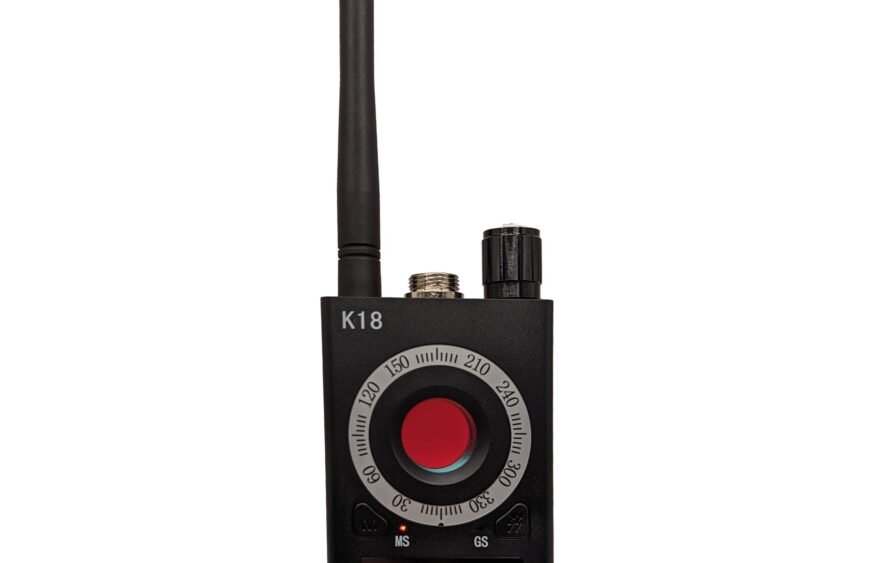
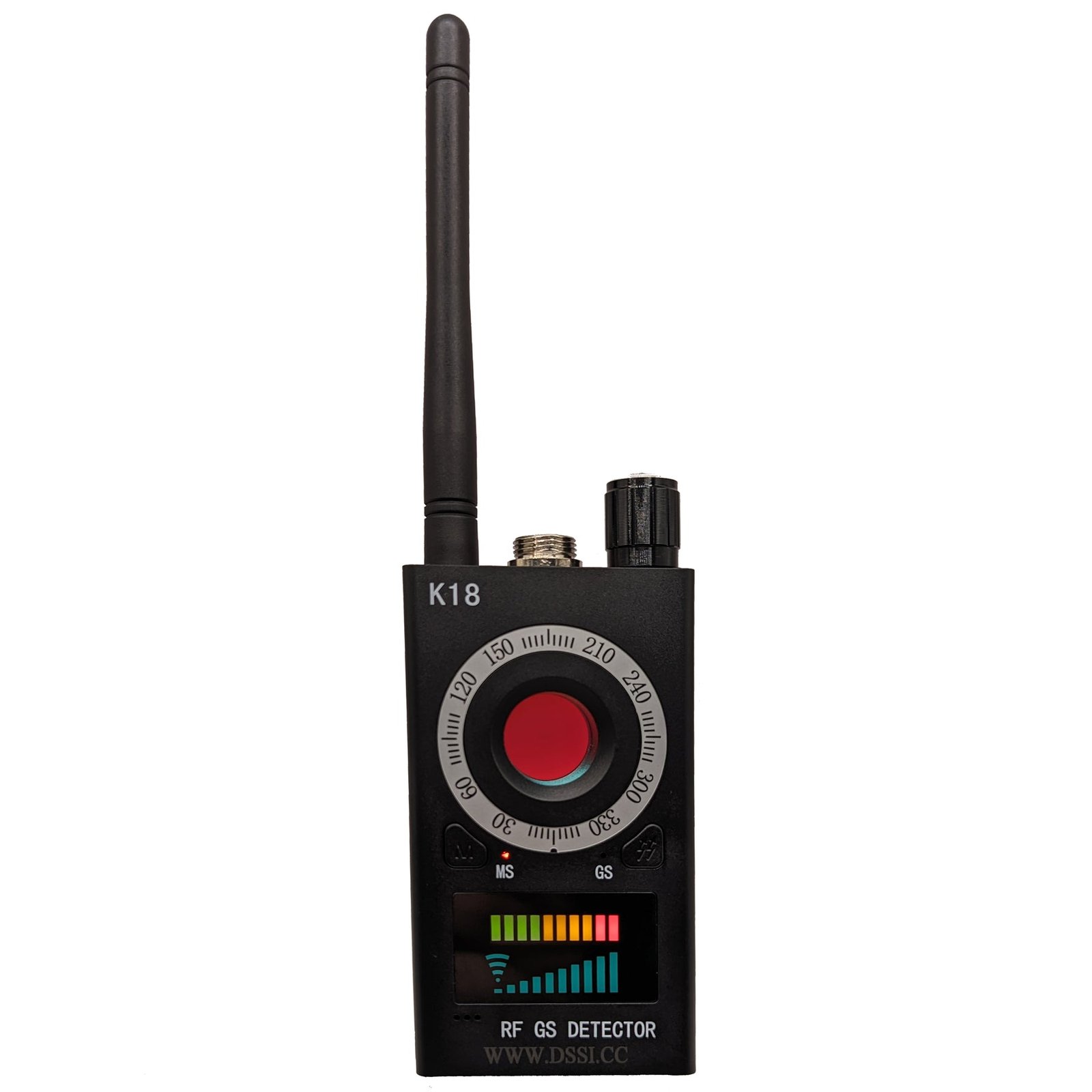
Hidden Camera Detector
A hidden camera detector is a compact electronic device designed to help identify concealed surveillance equipment such as hidden cameras, listening devices, and GPS trackers. These detectors are widely used in hotel rooms, rental apartments, offices, dressing rooms, and other private spaces where individuals want to ensure their privacy. Modern hidden camera detectors typically combine multiple technologies to locate suspicious devices more effectively.
Most detectors work using radio frequency (RF) scanning technology. Many hidden cameras transmit signals through wireless frequencies such as Wi-Fi or Bluetooth. The detector scans these frequency ranges and alerts the user when a signal is detected. As the user moves closer to the source of the signal, the alert becomes stronger, helping locate the device more precisely.
Another common feature is infrared or laser lens detection. In this mode, the detector emits a flashing light that reflects off camera lenses. Even small hidden camera lenses reflect light differently than other surfaces, allowing users to visually identify them through the detector’s viewfinder. This method works even if the camera is not currently transmitting data.
Some advanced hidden camera detectors also include magnetic detection for locating GPS trackers or small surveillance devices attached to metal surfaces. These multi-function devices allow users to perform several types of scans using one handheld tool. Adjustable sensitivity settings help reduce interference from everyday electronics such as smartphones, routers, and Bluetooth devices.
Hidden camera detectors are usually lightweight and portable, making them convenient for travelers and frequent hotel guests. Rechargeable batteries allow several hours of continuous scanning, and most models include LED indicators, sound alerts, or vibration notifications to signal detection.
Product Specifications
Feature
Details
Product Type
Hidden Camera Detector
Detection Methods
RF signal scanning, infrared lens detection, magnetic detection
Frequency Range
Typically 1 MHz – 6 GHz
Detection Range
Approximately 3–10 feet depending on signal strength
Power Source
Rechargeable lithium battery
Battery Life
About 6–10 hours of continuous use
Alert Types
LED indicators, sound alerts, vibration
Design
Compact handheld device
Applications
Hotels, offices, rental properties, vehicles
Additional Function
Detects GPS trackers and listening bugs
Pros and Cons
Pros
Cons
Helps locate hidden surveillance devices
May detect signals from normal electronic devices
Portable and convenient for travel
Requires some practice to use effectively
Multiple detection modes improve accuracy
Lower-priced models may have limited sensitivity
Provides additional privacy protection
Cannot detect completely inactive cameras in some cases
Easy to operate and recharge
Detection range may vary by environment
Hidden camera detectors provide an added layer of personal security by allowing users to scan their surroundings for hidden surveillance devices. With features such as RF signal detection, lens scanning, and magnetic sensing, these devices help individuals maintain privacy in unfamiliar environments while offering a simple and portable security solution.