Fungus Treatment: Effective Solutions for Fungal Infections
Fungal infections, whether affecting the skin, nails, or internal organs, can be uncomfortable and stubborn to treat. Fungus Treatment options are designed to target and eliminate fungal growth, alleviating symptoms like itching, redness, swelling, and discomfort. From over-the-counter creams to prescription medications, various treatment options are available, each targeting the specific type of fungus causing the infection. For common skin infections, such as athlete’s foot, ringworm, or jock itch, topical antifungal creams, ointments, and sprays are often the first line of defense. These treatments usually contain active ingredients like clotrimazole, miconazole, or terbinafine, which work by disrupting the cell membrane of the fungus, preventing it from reproducing and spreading. These treatments can be applied directly to the affected area, and most require regular use for a few weeks to completely clear the infection.
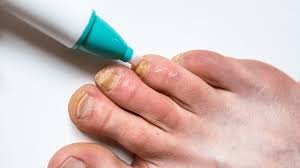
For nail fungus, a condition known as onychomycosis, antifungal nail lacquers or oral antifungal medications may be necessary. Nail lacquers like ciclopirox are applied directly to the infected nail, while oral treatments like terbinafine or itraconazole may be prescribed for more severe or persistent cases. Fungus Treatment for nail infections typically requires several months of consistent use due to the slow growth rate of nails. For internal fungal infections, such as those affecting the lungs or digestive system, doctors may prescribe oral antifungals like fluconazole or amphotericin B, which work systemically to target and eliminate fungal cells from within the body. It’s essential to follow a healthcare provider’s recommendations when dealing with internal fungal infections, as these can be more serious and require more extensive treatment.
In addition to pharmaceutical options, there are also natural treatments and lifestyle changes that can help manage and prevent fungal infections. Tea tree oil, known for its antifungal and antimicrobial properties, is often used as a natural remedy for skin infections, especially when diluted with a carrier oil. Garlic, with its natural antifungal compounds like allicin, has also been suggested as a home remedy for certain types of fungal infections. While these remedies may offer relief for mild cases, they are not always as effective as conventional treatments, especially for more severe or widespread infections.
Preventing fungal infections is just as important as treating them. To reduce your risk, keep your skin clean and dry, particularly in areas that are prone to moisture buildup, such as between your toes or in the groin area. Wearing breathable, moisture-wicking clothing and socks can help, as well as avoiding walking barefoot in public showers or pools. For nail fungus, it’s essential to keep nails trimmed, dry, and free of trauma, as cracks or cuts in the nail can allow fungi to enter.