Electrostimulator
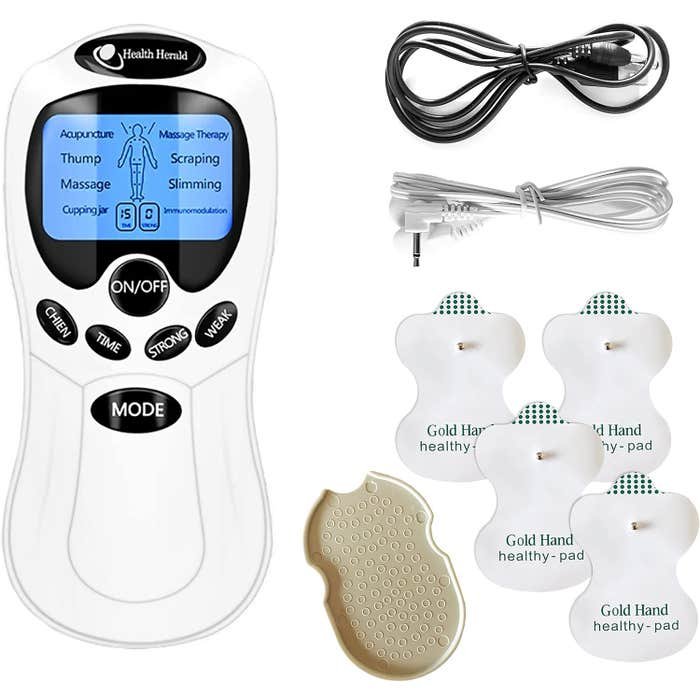
Electrostimulator — A Complete Guide to Electrical Muscle and Nerve Stimulation Devices
An electrostimulator is a device that uses controlled electrical impulses to stimulate nerves or muscles. These impulses mimic the signals your nervous system sends to make muscles contract, allowing the device to influence muscle activity even when you are not actively moving. Electrostimulators are used in physical therapy, rehabilitation, fitness support, pain relief, muscle activation, and recovery.
The technology can be beneficial for people recovering from injury, athletes looking to support training, or anyone seeking assistance with muscle relaxation and improved circulation.
What an Electrostimulator Is
An electrostimulator is a gadget that sends electrical current through electrodes placed on the skin. These electrodes are usually adhesive pads that stick to the body over the muscle or nerve area you want to target. The electrical pulses travel through the skin and trigger muscle fibers to contract, similar to how your body naturally activates muscles.
Various devices work on different principles, including:
- EMS — Electrical Muscle Stimulation: Targets muscle contraction and strength
- TENS — Transcutaneous Electrical Nerve Stimulation: Targets nerve pathways for pain relief
- IFC — Interferential Current Stimulation: Uses medium‑frequency currents for deep tissue relief
Although terms like EMS and TENS are sometimes used interchangeably, they serve different therapeutic purposes. An electrostimulator device may include multiple modes to support several needs.
How It Works
- Placement: Electrode pads are placed on the skin over specific muscles or nerves.
- Connection: Pads are connected to the electrostimulator through wires or a wireless link.
- Setting Intensity: A program is selected, and intensity is adjusted gradually.
- Stimulation: The device sends electrical pulses that cause muscle contraction or influence nerve signals.
The sensation varies depending on the program selected — ranging from gentle tapping to stronger muscle contractions.
Common Uses of Electrostimulators
1. Physical Rehabilitation
Therapists frequently use electrostimulators for patients recovering from injuries such as strains, sprains, or surgeries. It helps preserve muscle function when voluntary movement is limited.
2. Pain Relief
Electrostimulation can block pain signals in the nervous system, offering temporary relief for conditions like chronic back pain, joint discomfort, and muscle soreness.
3. Muscle Strength and Conditioning
Athletes and fitness enthusiasts sometimes use EMS programs to support muscle activation and endurance training, especially for muscles that are hard to engage through conventional exercise alone.
4. Muscle Recovery
After intense training, electrical stimulation can increase blood circulation and reduce muscle stiffness and fatigue.
5. Posture Support and Core Engagement
Some devices provide targeted programs to support posture by stimulating deep stabilizing muscles.
Key Features to Look For
Adjustable Intensity Levels
Allows you to control the strength of electrical impulses, making it suitable for beginners and advanced users.
Multiple Modes / Programs
Different modes tailor the stimulation for pain relief, muscle strengthening, relaxation, and recovery.
Timer Settings
Built‑in timers let you set session duration without manually tracking time.
Wireless or Wearable Design
Modern electrostimulators may be cordless, rechargeable, and wearable under clothing for convenience.
Safety Features
Automatic shutoff, low‑skin resistance detection, and gradual pulse ramps improve comfort and safety.
Benefits of Using an Electrostimulator
- Targeted muscle activation without heavy physical strain
- Non‑invasive pain relief without medication
- Improved muscle recovery after exercise
- Support for rehabilitation after injury
- Convenience for home use
When used properly, electrostimulators can enhance exercise routines, aid recovery, and make therapy more accessible outside clinical settings.
Safety and Best Practices
While electrostimulators are generally safe when used as directed, it’s important to follow guidelines:
- Follow manufacturer instructions carefully.
- Start with lower intensity settings and increase gradually.
- Do not place electrodes over broken skin, open wounds, or sensitive areas.
- Avoid use near the heart, head, or throat unless the device is specifically designed for those areas.
- Consult a healthcare provider if you have a pacemaker, heart condition, epilepsy, pregnancy, or other medical concerns.
Electrostimulators are powerful tools, and misuse can cause discomfort.
Who Can Benefit Most
- Individuals in physical therapy or rehabilitation programs
- Athletes and active adults seeking muscle support and recovery
- People with chronic pain or muscle tension
- Individuals looking to enhance muscle engagement during workouts
Each person’s needs may differ, so using the appropriate mode and intensity is key.
Summary
An electrostimulator is a device that uses electrical impulses to influence muscle and nerve activity. By sending targeted electrical signals through electrodes on the skin, the device can activate muscles, support pain relief, improve circulation, and assist with recovery and rehabilitation. With adjustable programs and intensities, electrostimulators are versatile tools for fitness support, physical therapy, and everyday muscle care — provided they are used safely and according to guidelines.
If you’d like, I can explain how to choose the best electrostimulator device based on your goals (such as pain relief, muscle strengthening, or recovery). Just tell me what you want to achieve.