Electric Breast Pump
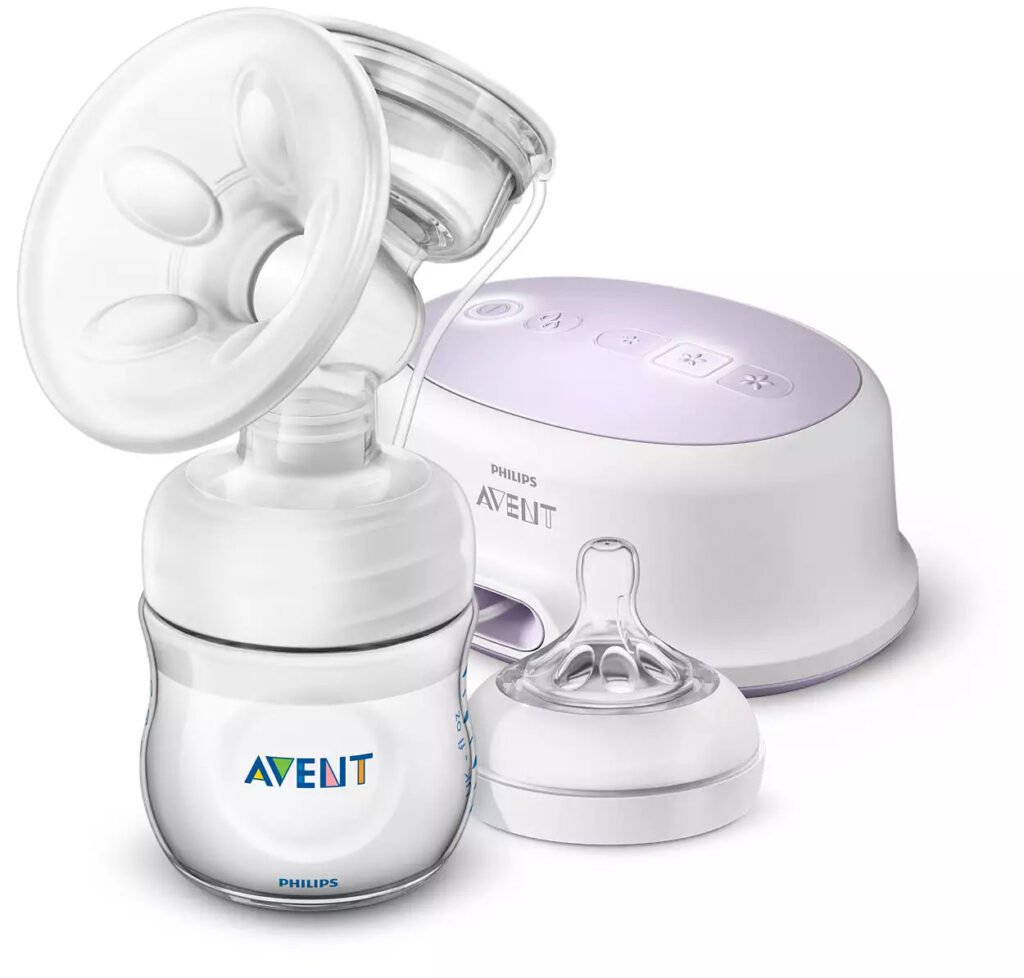
Electric Breast Pump — A Complete Guide to Comfortable and Efficient Milk Expression
An electric breast pump is a powered device designed to help breastfeeding parents express breast milk efficiently and comfortably. Unlike manual pumps that require hand-operated pumping, electric breast pumps use motorized suction to mimic a baby’s natural nursing rhythm, making milk expression faster and less tiring.
Electric breast pumps are widely used by:
- Working parents who pump during the day
- People with low milk supply needing frequent expression
- Those returning to school or work
- Those giving expressed milk to caregivers, partners, or daycare
How Electric Breast Pumps Work
Electric breast pumps use a small motor to create gentle suction through breast shields (flanges) placed over each nipple. The pump draws milk into collection bottles or bags via tubes, allowing milk to be stored for later feeding.
Key parts typically include:
- Motor unit: Creates suction and controls rhythm
- Breast shields: Soft, cushioned flanges that fit over the breast
- Tubing: Connects pump to bottles or collection kit
- Collection bottles/bags: Catch and store expressed milk
- Control panel: Lets you adjust suction strength and speed
Some electric pumps are single-motor (one side at a time) while others are double-motor or double-electric (pumping both breasts simultaneously).
Benefits of Using an Electric Breast Pump
1. Faster and More Efficient
Electric pumps generally express milk faster than manual pumps, particularly where double pumping is used.
2. Adjustable Suction and Speed
Most models allow you to adjust suction strength and rhythm to make pumping more comfortable and effective.
3. Less Physical Effort
Since the device does the work, it reduces hand-fatigue and strain, which is especially helpful for frequent pumping.
4. Supports Milk Supply
Regular electric expression can help maintain or increase milk supply, especially during separation from a baby.
5. Convenience
Electric pumps are ideal for use at home, at work, or even when travelling, with many models offering rechargeable batteries.
Types of Electric Breast Pumps
Portable / Personal Use Electric Pumps
- Lightweight and easy to carry
- Good for occasional pumpers and travel
- Often battery-or USB-powered
Hospital-Grade Electric Pumps
- Powerful motors with strong suction
- Designed for frequent or shared use
- Typically used in lactation support settings
Double Electric Pumps
- Pump both breasts at the same time
- Saves time and can boost milk production
- Most efficient option for regular use
Single Electric Pumps
- Pump one breast at a time
- Typically more affordable and simpler to use
How to Use an Electric Breast Pump — Steps
- Wash Hands & Assemble Kit
Clean hands and pump parts before use. - Connect Shields & Bottles
Attach breast shields and collection bottles to the pump. - Adjust Suction Settings
Start with low suction, then gradually increase comfort and expression. - Begin Pumping
Pump for about 10–15 minutes per session (or as recommended by your healthcare provider). - Store Expressed Milk
Pour into storage bags or bottles and refrigerate/freezer if not feeding immediately. - Clean Pump Parts
Wash in warm, soapy water or follow manufacturer instructions.
Tips for Comfort & Effectiveness
- Find the right flange size: A good fit increases comfort and efficiency.
- Use massage or warm compresses: Helps with let-down and flow.
- Stay hydrated: Drinking fluids supports milk production.
- Relax: Stress can inhibit let-down; comfortable posture helps.
- Pump regularly: Consistency supports supply, especially when away from baby.
Cleaning and Maintenance
Proper cleaning helps prevent bacteria growth:
- Rinse parts after each use (shields, valves, bottles).
- Wash with warm, soapy water daily.
- Sterilize parts occasionally, especially for newborns or weakened immune systems.
- Replace worn parts (valves, membranes) per manufacturer guidelines.
Safety Considerations
- Use only breastmilk-safe containers and parts.
- Follow pumping frequency and duration recommended by healthcare professionals.
- If you experience pain, nipple damage, or discomfort, check fit and settings or consult a lactation specialist.
- Avoid sharing personal pump parts due to hygiene concerns.
Summary
An electric breast pump is a powered device that makes expressing breast milk easier, faster, and more efficient than manual methods. Offering adjustable suction, double pumping capability, and less physical effort, electric pumps support parents who pump frequently or need flexible feeding options. Proper fit, regular cleaning, and comfortable settings all contribute to a positive pumping experience.
If you’d like, I can explain how to choose the right electric breast pump based on your lifestyle and frequency of use — just let me know what your priorities are (e.g., travel, daily use, occasional pumping).