Dash camera for cars
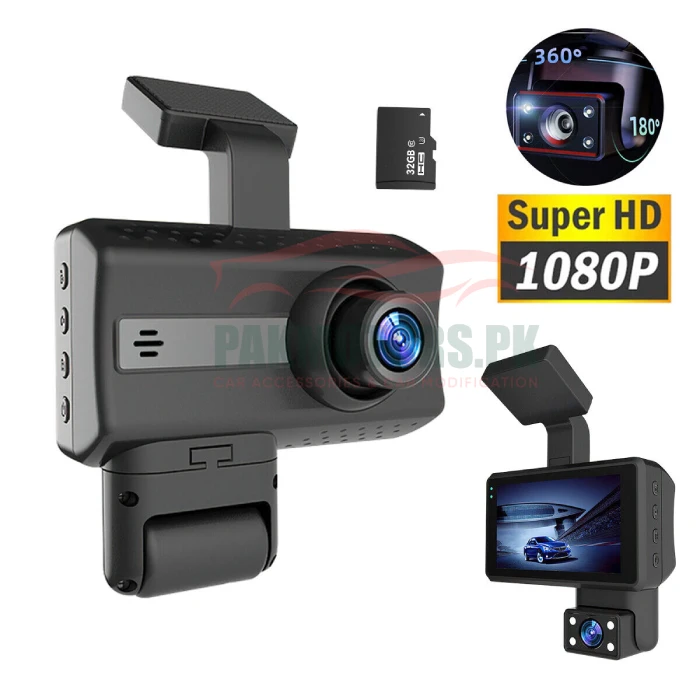
Dash Camera for Cars — A Complete Guide to On-Road Recording and SafetyA dash camera (short for “dashboard camera”) is a compact video recording device installed in a vehicle to continuously capture what happens while driving. Mounted on the windshield or dashboard, a dash cam records road activity — including traffic, incidents, scenic drives, and everyday travel — providing video evidence that can be incredibly useful for safety, insurance, and peace of mind.—Why Drivers Use Dash Cameras1. Record Driving IncidentsDash cameras automatically record video of the road ahead (and sometimes behind or inside the vehicle). If an accident, collision, or traffic dispute occurs, the footage can provide objective evidence that helps determine what happened.2. Support Insurance ClaimsClear video of an incident can accelerate insurance investigations and reduce disputes about fault. It helps insurers understand events without relying entirely on subjective reports.3. Protect Against FraudIn some regions, staged collisions or “crash-for-cash” scams are a concern. Dash cam footage can help prove whether an event was legitimate or misleading.4. Capture Road Trips and MemoriesDash cams can record scenic drives and memorable moments on the road — giving drivers video they might otherwise forget.5. Encourage Safer DrivingKnowing that driving behavior is being documented can encourage more cautious, focused habits from both the driver and other road users.—How Dash Cameras WorkA typical dash camera setup includes:Camera Lens: Captures video footage of the road ahead (or rear/in-car if dual-camera).Recording Loop: Most dash cams use loop recording, meaning they continuously record and overwrite the oldest footage when storage fills up.G-Sensor: A built-in motion or gravity sensor that detects sudden impacts or braking, triggering the camera to protect or lock that footage so it isn’t overwritten.Storage: A memory card (usually microSD) stores video files.Power Connection: The camera draws power from the car’s 12 V socket (cigarette lighter) or is hard-wired into the vehicle’s electrical system.Some advanced models also include GPS, night vision, Wi-Fi connectivity, and parking surveillance modes.—Key Features to ConsiderVideo QualityDash cams record in various resolutions — from standard HD (720p) to Full HD (1080p) and Ultra HD/4K. Higher resolution means clearer details, such as license plates and road signs.Wide Field of ViewA wider viewing angle captures more of the road and surroundings — helpful for comprehensive footage.Night VisionLow-light performance and infrared or enhanced sensors help the camera record clearer footage in the dark or under poor lighting.G-Sensor and Impact DetectionThis feature detects sudden motion or collision forces and automatically saves the current recording so it is not erased during loop recording.Parking ModeWhen parked, the dash cam can continue monitoring the surroundings if motion or impacts are detected, providing extra security against hit-and-runs or vandalism.GPS LoggingSome models record GPS location and speed alongside video, which can help reconstruct an incident’s context.—Placement and InstallationA dash cam is typically mounted:Behind the rearview mirror: For an unobstructed view of the road aheadOn the rear windshield: If the model includes a rear cameraInside near the dashboard: For interior monitoring or rideshare recordingInstallation can be simple (plug-and-play using the car’s 12 V socket) or more integrated (hard-wired into the fuse box for cleaner wiring and “always-on” parking mode).Placement matters for capturing a stable and clear view without blocking the driver’s sightlines.—Everyday Practical UsesAccident DocumentationWhen collisions happen, dash cam footage helps clarify what occurred and can speed up responses from law enforcement or insurance.Driving Behavior MonitoringSome drivers use dash cams to review driving habits, while commercial fleets use them for safety compliance and performance reviews.Unexpected EventsFrom wildlife crossing roads to unexpected weather changes or unusual traffic events, dash cams capture real moments that drivers can review later.Security While ParkedWith parking mode and motion detection, many dash cams act as a surveillance camera even when the vehicle is stationary.—Caring for Your Dash CameraRegularly check the memory card: Ensure it has enough space and isn’t corrupted.Clean the lens: A clear lens produces better quality footage.Update firmware: Check manufacturer updates for improved performance and features.Proper cable routing: Secure cables along the edge of the windshield to avoid interference or distraction.These practices help keep your dash camera operating reliably and capturing useful video.—SummaryA dash camera for cars is a compact, continuously recording video device that documents what happens on the road — providing valuable evidence for accidents, insurance claims, and daily driving. With features like loop recording, impact detection, night vision, GPS logging, and parking mode, dash cams support both safety and practical documentation. By capturing objective footage of real events, a dash camera gives drivers confidence, clarity, and peace of mind behind the wheel.Whether you’re focused on safety, documentation, or just enjoying scenic drives, a dash camera brings a powerful, ever-watchful eye to your vehicle’s journey.Dash Camera for Cars — A Complete Guide to On-Road Recording and SafetyA dash camera (short for “dashboard camera”) is a compact video recording device installed in a vehicle to continuously capture what happens while driving. Mounted on the windshield or dashboard, a dash cam records road activity — including traffic, incidents, scenic drives, and everyday travel — providing video evidence that can be incredibly useful for safety, insurance, and peace of mind.—Why Drivers Use Dash Cameras1. Record Driving IncidentsDash cameras automatically record video of the road ahead (and sometimes behind or inside the vehicle). If an accident, collision, or traffic dispute occurs, the footage can provide objective evidence that helps determine what happened.2. Support Insurance ClaimsClear video of an incident can accelerate insurance investigations and reduce disputes about fault. It helps insurers understand events without relying entirely on subjective reports.3. Protect Against FraudIn some regions, staged collisions or “crash-for-cash” scams are a concern. Dash cam footage can help prove whether an event was legitimate or misleading.4. Capture Road Trips and MemoriesDash cams can record scenic drives and memorable moments on the road — giving drivers video they might otherwise forget.5. Encourage Safer DrivingKnowing that driving behavior is being documented can encourage more cautious, focused habits from both the driver and other road users.—How Dash Cameras WorkA typical dash camera setup includes:Camera Lens: Captures video footage of the road ahead (or rear/in-car if dual-camera).Recording Loop: Most dash cams use loop recording, meaning they continuously record and overwrite the oldest footage when storage fills up.G-Sensor: A built-in motion or gravity sensor that detects sudden impacts or braking, triggering the camera to protect or lock that footage so it isn’t overwritten.Storage: A memory card (usually microSD) stores video files.Power Connection: The camera draws power from the car’s 12 V socket (cigarette lighter) or is hard-wired into the vehicle’s electrical system.Some advanced models also include GPS, night vision, Wi-Fi connectivity, and parking surveillance modes.—Key Features to ConsiderVideo QualityDash cams record in various resolutions — from standard HD (720p) to Full HD (1080p) and Ultra HD/4K. Higher resolution means clearer details, such as license plates and road signs.Wide Field of ViewA wider viewing angle captures more of the road and surroundings — helpful for comprehensive footage.Night VisionLow-light performance and infrared or enhanced sensors help the camera record clearer footage in the dark or under poor lighting.G-Sensor and Impact DetectionThis feature detects sudden motion or collision forces and automatically saves the current recording so it is not erased during loop recording.Parking ModeWhen parked, the dash cam can continue monitoring the surroundings if motion or impacts are detected, providing extra security against hit-and-runs or vandalism.GPS LoggingSome models record GPS location and speed alongside video, which can help reconstruct an incident’s context.—Placement and InstallationA dash cam is typically mounted:Behind the rearview mirror: For an unobstructed view of the road aheadOn the rear windshield: If the model includes a rear cameraInside near the dashboard: For interior monitoring or rideshare recordingInstallation can be simple (plug-and-play using the car’s 12 V socket) or more integrated (hard-wired into the fuse box for cleaner wiring and “always-on” parking mode).Placement matters for capturing a stable and clear view without blocking the driver’s sightlines.—Everyday Practical UsesAccident DocumentationWhen collisions happen, dash cam footage helps clarify what occurred and can speed up responses from law enforcement or insurance.Driving Behavior MonitoringSome drivers use dash cams to review driving habits, while commercial fleets use them for safety compliance and performance reviews.Unexpected EventsFrom wildlife crossing roads to unexpected weather changes or unusual traffic events, dash cams capture real moments that drivers can review later.Security While ParkedWith parking mode and motion detection, many dash cams act as a surveillance camera even when the vehicle is stationary.—Caring for Your Dash CameraRegularly check the memory card: Ensure it has enough space and isn’t corrupted.Clean the lens: A clear lens produces better quality footage.Update firmware: Check manufacturer updates for improved performance and features.Proper cable routing: Secure cables along the edge of the windshield to avoid interference or distraction.These practices help keep your dash camera operating reliably and capturing useful video.—SummaryA dash camera for cars is a compact, continuously recording video device that documents what happens on the road — providing valuable evidence for accidents, insurance claims, and daily driving. With features like loop recording, impact detection, night vision, GPS logging, and parking mode, dash cams support both safety and practical documentation. By capturing objective footage of real events, a dash camera gives drivers confidence, clarity, and peace of mind behind the wheel.Whether you’re focused on safety, documentation, or just enjoying scenic drives, a dash camera brings a powerful, ever-watchful eye to your vehicle’s journey.