Cooling fan
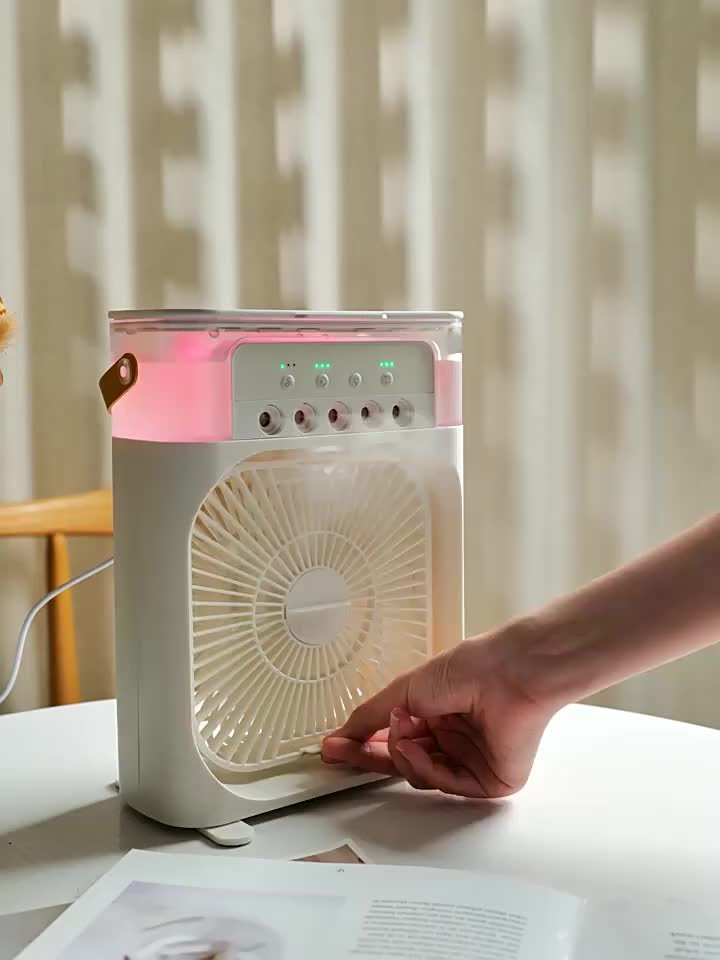
Cooling Fan — A Complete Guide to Airflow, Comfort & Cooling Solutions
A cooling fan is a device that circulates air to help lower the perceived temperature, improve ventilation, and boost comfort in indoor or outdoor spaces. Unlike air conditioners that remove heat from a room, fans move air around, creating airflow that helps sweat evaporate from your skin so you feel cooler. They’re energy-efficient, affordable, and useful in homes, offices, dorms, workshops, and more.
How Cooling Fans Work
Cooling fans don’t actually lower the room’s temperature — instead they move air to improve comfort:
- A motor spins blades or impellers.
- The rotating blades push air forward.
- The moving air increases evaporation of moisture on skin.
- This creates a feeling of coolness, even if the actual air temperature doesn’t change.
This airflow also helps improve ventilation and reduce stuffiness.
Common Types of Cooling Fans
1. Table Fans
Compact and portable, ideal for desktops, bedside tables, or small rooms.
2. Pedestal (Stand) Fans
Adjustable height and wide airflow — great for living rooms and larger spaces.
3. Tower Fans
Tall, slim profile with powerful air delivery and modern styling; good for saving space.
4. Box Fans
Simple square design with strong airflow; often used in windows or garages.
5. Wall-Mounted Fans
Fixed on a wall to save floor space and circulate air efficiently.
6. USB / Personal Fans
Small fans powered by USB — useful for desks, computers, or travel.
Key Features to Consider
Airflow Speed
Most cooling fans offer multiple speed settings so you can adjust how strong the airflow feels.
Oscillation
Oscillating fans swing side to side to spread air across a wider area.
Adjustable Height & Tilt
Allows you to direct airflow where it’s needed most.
Quiet Operation
Look for models labeled low noise or silent — especially if you’re using the fan while sleeping or working.
Timer & Remote Control
Timers help automate on/off schedules, and remotes add convenience.
Energy Efficiency
Fans use much less power than air conditioners, making them a cost-effective cooling solution.
Where Cooling Fans Are Most Useful
- Bedrooms: Gentle airflow helps improve sleep comfort.
- Living Rooms & Offices: Keeps air circulating and reduces fatigue from stagnant air.
- Kitchens: Helps disperse cooking heat.
- Workshops/Garages: Improves ventilation and removes dust.
- Dorm Rooms: Compact fans keep small spaces comfortable.
- Outdoor Covered Areas: Adds breeze on patios or balconies.
Benefits of Using a Cooling Fan
Enhanced Comfort
By moving air over your skin, fans make warm conditions feel more bearable.
Improved Air Circulation
Good airflow reduces stuffiness, odors, and humidity build-up.
Energy Savings
Fans use far less electricity than air conditioning units, lowering energy bills.
Versatility
Fans come in many shapes and sizes to suit different spaces and needs.
Portability
Many models are easy to move from room to room.
Tips for Best Performance
- Position near an open window at night to bring in cooler air.
- Use with AC to help circulate cool air faster through a room.
- Choose fan size based on room size: Larger rooms benefit from tower or pedestal models, small spaces from table or USB fans.
- Clean fan blades regularly to maintain airflow and reduce dust.
Safety Considerations
- Keep away from water and wet areas to avoid electrical risk.
- Place on stable surfaces so the fan cannot tip over.
- Keep cords organized to prevent tripping.
- Supervise children around moving blades (especially non-caged models).
Summary
A cooling fan is a practical, energy-efficient way to improve comfort by creating airflow that helps your body feel cooler. With many types available — from table and pedestal fans to tower and USB models — you can choose the right design for your space and needs. Fans are affordable, easy to use, and effective for everyday cooling and ventilation, especially during warm weather or in spaces where air circulation is poor.
If you’d like, I can explain which type of fan works best for your room size or intended use — just let me know where you plan to place it!