Car Marten Repeller
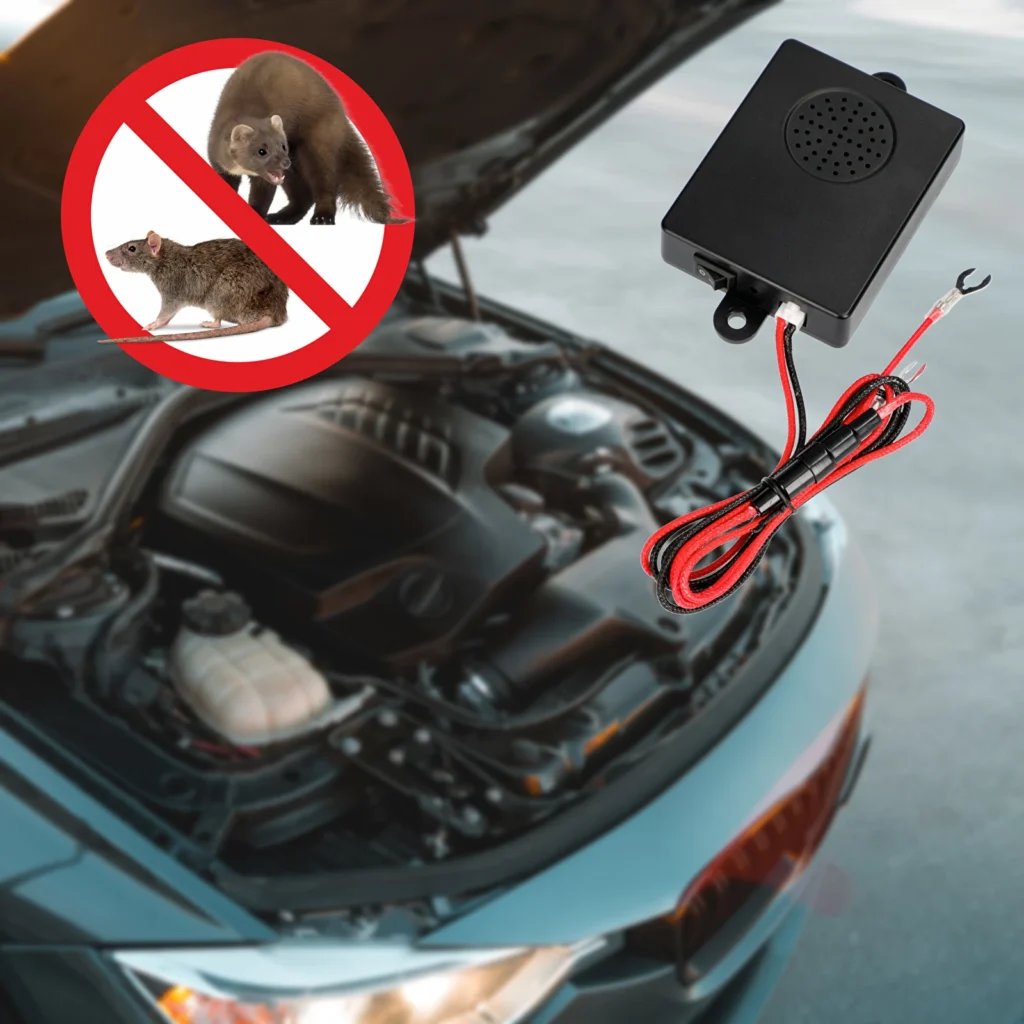
Car Marten Repeller — A Complete Guide to Protecting Your Vehicle from Wildlife Damage
A car marten repeller is a device designed to deter small mammals — especially martens — from chewing on or nesting in vehicles. In many regions, particularly parts of Europe and Asia, martens (a type of weasel‑like animal) are infamous for damaging car wiring, insulation, hoses, and plastic components. A marten repeller helps protect your vehicle without harming the animals, using sound, vibration, or ultrasonic pulses that encourage them to stay away.
Whether you park outside overnight, live near wooded areas, or have experienced repeated wildlife damage, a dedicated marten repeller can save you costly repairs and daily frustration.
Why Martens Target Cars
Martens don’t intend to ruin your vehicle — they are simply:
- Seeking shelter in tight, warm engine bays
- Looking for nesting spots under hoods and wheel wells
- Attracted to plastic, rubber, and wiring as chewable materials
Areas with high marten populations often see vehicles with:
- Chewed brake lines or hoses
- Damaged electrical wiring
- Insulation ripped from engine components
- Rubber parts gnawed into unusable shapes
These animals are clever climbers and explorers — and once they find a comfortable hiding spot, they may return repeatedly.
How a Car Marten Repeller Works
Marten repellers use one or more non‑harmful deterrent strategies:
Ultrasonic Sound
Many repellers emit high‑frequency sound waves that are inaudible to humans but uncomfortable for martens and similar animals. The constant, shifting ultrasound discourages them from approaching or staying near the vehicle.
Low‑Frequency Vibration
Some devices produce subtle vibrations or pulses under the hood. Animals prefer stable, predictable environments, so unusual vibrations make the engine bay less attractive for nesting or chewing.
Electromagnetic Pulses
Certain repellers emit electromagnetic patterns that may influence animal behavior. These pulses aren’t harmful to people or pets but help disrupt the comfort zone for small mammals around wiring and components.
Scheduled or Motion‑Activated Mode
Advanced models can run on a timer or only activate when motion is detected — conserving energy while still deterring curious creatures.
Key Features of Effective Marten Repellers
A high‑quality car marten repeller typically includes:
Wide Frequency Range
Devices that cycle through various frequencies are more effective because animals can become accustomed to a single, unchanging tone.
Waterproof or Weatherproof Housing
Since many cars are parked outdoors, the repeller must be durable against rain, snow, and temperature changes.
Compact Design
Small units are easier to install under the hood without interfering with other components.
Long Battery Life or Power Options
Options may include rechargeable batteries, connection to the car battery, or solar assist for energy efficiency.
Easy Installation
Simple mounting clips or brackets make it easy to position the device where it can broadcast sound and vibration most effectively.
Where to Install a Marten Repeller
Placement matters:
- Engine bay: Close to wiring harnesses and cables
- Wheel wells: If animals are accessing through side areas
- Near air intakes: Entry points often used by small wildlife
- Ensure the device isn’t touching hot components or moving parts
A well‑positioned repeller maximizes deterrence while limiting any interference with normal vehicle operation.
Benefits of Using a Car Marten Repeller
Non‑Lethal and Humane
Devices deter wildlife without trapping, injuring, or harming them.
Saves Repair Costs
Replacing wiring, hoses, and insulation can be expensive — a repeller helps minimize this risk.
Low Maintenance
Once installed, most systems require minimal upkeep — just occasional battery recharge or check‑ins.
Peace of Mind
Car owners can sleep better knowing their vehicle is less likely to be a target.
Compatible with Most Vehicles
From compact cars to SUVs and trucks, these devices work with many engine layouts.
Tips for Best Results
- Combine Repellers with Other Practices:
While repellers help, additional steps like sealing entry points or parking in well‑lit, open areas can improve results. - Test Different Locations:
Sometimes moving the device slightly under the hood increases effectiveness. - Check for Signs of Damage Regularly:
Early detection lets you intervene before bigger problems develop. - Use Timers or Motion Activation:
This saves battery life and targets deterrence when the car is most at risk (overnight or when parked long‑term).
When a Repeller Might Not Be Enough
In rare cases where animals have already established a habit of visiting the same vehicle, a repeller alone may not break the pattern immediately. In such situations:
- Remove scent attractants: Food wrappers or organic debris can draw animals.
- Block physical entry points: Use mesh or barriers to cover gaps.
- Consult local wildlife guidelines: In some areas, wildlife control professionals can advise on safe, legal deterrence methods.
Summary
A car marten repeller is a humane, low‑maintenance device designed to discourage martens and other small mammals from approaching, nesting in, or chewing on your vehicle’s engine bay and wiring. By emitting ultrasonic sounds, vibrations, or electromagnetic pulses, the repeller creates an environment that animals find uncomfortable — without harming them or your car.
Used alongside smart parking habits and physical barriers, a marten repeller can significantly reduce the risk of damage, save on repair costs, and give car owners peace of mind — especially in areas where wildlife interactions are common.
If you’d like, I can explain how to choose the right repeller based on your region or parking situation — just let me know where your car is usually parked!