Anti Bell Device Dogs
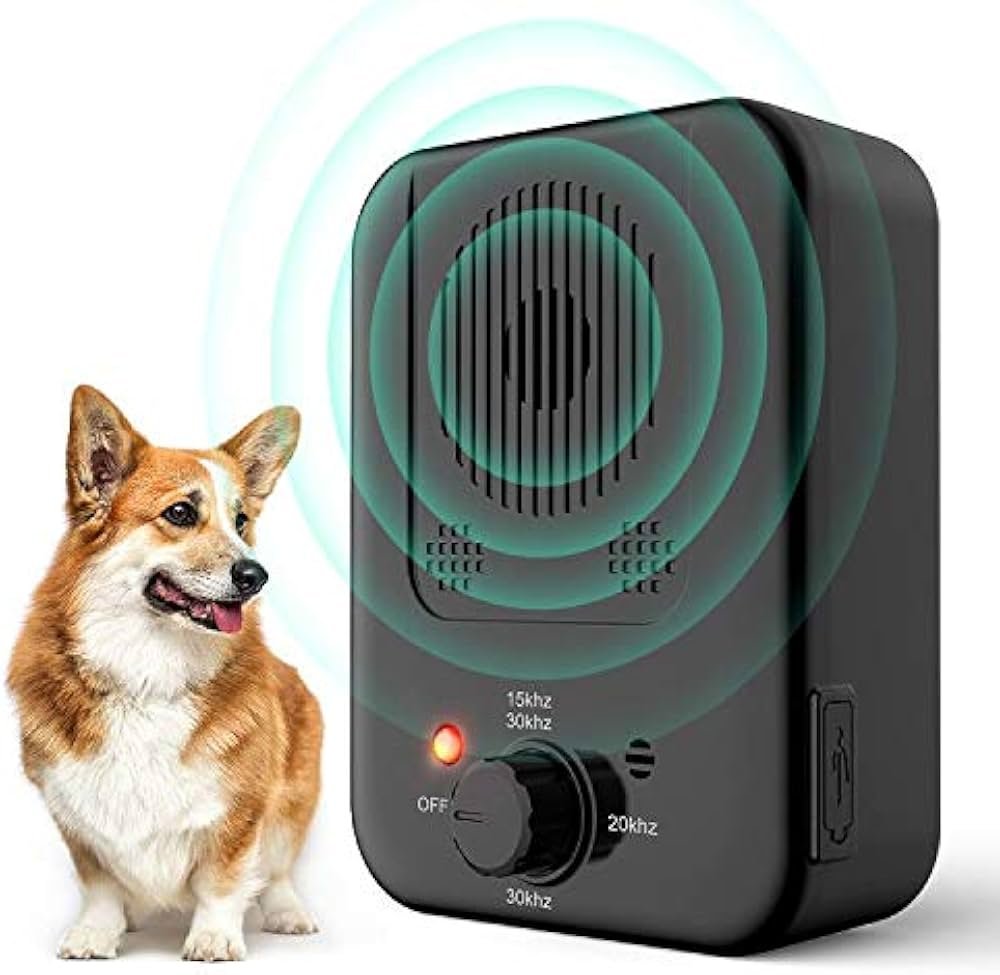
Anti‑Bark (Anti‑Bell) Device for Dogs — A Complete Guide to Humane Bark Control
An anti‑bell device for dogs — more commonly called an anti‑bark device — is a tool designed to discourage excessive barking in dogs. These devices help pet owners manage nuisance barking without causing harm, using sound, vibration, or other non‑aggressive methods that grab the dog’s attention and encourage calmer behavior over time.
Whether your dog barks due to boredom, anxiety, territorial behavior, or environmental triggers, anti‑bark devices can be part of a training strategy to encourage more controlled responses.
What an Anti‑Bark Device Is
An anti‑bark device is a device or collar that detects a dog’s barking and delivers a specific type of stimulus that interrupts the behavior. It doesn’t punish the dog aggressively but calls attention to the behavior so the dog can learn quieter habits.
These devices aim to reduce:
- Constant barking
- Barking at passersby
- Barking due to frustration
- Nighttime barking
They are widely used by dog owners, trainers, and behaviorists as part of positive reinforcement and training.
Common Types of Anti‑Bark Devices
1. Ultrasonic Anti‑Bark Devices
These devices emit a high‑frequency sound — typically outside the range of human hearing — when barking is detected. Dogs find this sound distracting or unpleasant, which reduces the tendency to bark repeatedly.
- Detects barking using a microphone
- Emits ultrasonic tone to interrupt the behavior
- Safe and humane
Good for indoor use and environments where noise pollution is a concern.
2. Vibration or Shock (Static) Anti‑Bark Collars
These devices are worn around the dog’s neck and activate when barking is detected:
- Vibration mode: Produces a gentle vibration that interrupts barking
- Static mode: Delivers a mild static impulse (very low intensity)
- Intensity levels are adjustable
Static corrections should be used only when recommended and with caution, ideally under trainer guidance.
3. Citronella Spray Collars
When the dog barks, the collar releases a short burst of citronella spray near the nose. The scent distracts the dog and interrupts the barking reflex.
- Soft sensory interruption
- No sound or shock involved
- Popular for training and outdoor use
4. Remote or Manual Anti‑Bark Devices
Devices where the owner manually triggers a sound or vibration when the dog barks, allowing for timed, controlled feedback during training sessions.
How Anti‑Bark Devices Work
Most anti‑bark devices rely on sound or sensory interruption:
- Detection: The device senses the dog’s bark through an onboard microphone.
- Activation: It emits an ultrasonic tone, vibration, spray, or mild static correction.
- Response: The dog notices the interruption and associates it with barking.
- Behavior Change: With consistent use, the dog learns that excessive barking triggers the interrupting stimulus, leading to calmer behavior.
These devices work best when combined with positive reinforcement training — rewarding the dog when it stays quiet.
Benefits of Anti‑Bark Devices
Humane and Safe
Most models use gentle stimuli rather than harmful punishment.
Non‑Invasive
Portable, easy to use, and doesn’t require professional installation.
Effective Training Support
Helps reinforce quieter behavior when paired with proper training methods.
Customizable Settings
Intensity levels and modes can be adjusted to fit your dog’s size and sensitivity.
Supports Peaceful Environments
Useful in apartments, neighborhoods, or homes with noise regulations.
Limitations and Considerations
Not a Standalone Solution
Anti‑bark devices work best when combined with training, exercise, and environmental enrichment.
Variable Effectiveness
Some dogs may respond less to sound‑only devices if they are highly motivated to bark.
Individual Sensitivity
Different breeds and temperaments may prefer specific modes (ultrasonic, vibration, or spray).
Training Required
Dogs need consistent reinforcement and positive training to associate the device’s stimulus with the desired behavior.
Placement and Usage Tips
- Ensure the device fits snugly but comfortably (for collars).
- Start with the lowest effective setting and increase gradually if needed.
- Combine with positive reinforcement — reward your dog for quiet behavior.
- Avoid using the device continuously all day; allow breaks and supervised use.
- Be patient — behavior change takes time and consistent reinforcement.
Safety Considerations
- Use devices according to manufacturer instructions.
- Avoid high static settings without professional guidance.
- Do not use on dogs with certain health conditions without veterinarian approval.
- Monitor your dog’s response to the device and adjust usage as needed.
Anti‑bark devices are designed to support training, not replace it.
Summary
An anti‑bark (anti‑bell) device for dogs helps discourage excessive barking through humane, sensory interruption such as ultrasonic sound, vibration, static correction, or citronella spray. These tools work best alongside positive reinforcement and consistent training, helping dogs learn quieter behavior while supporting peaceful environments.
Used responsibly, anti‑bark devices can be a practical part of a dog’s training plan — providing structure, feedback, and reinforcement for calm behavior while addressing nuisance barking in homes and neighborhoods.