
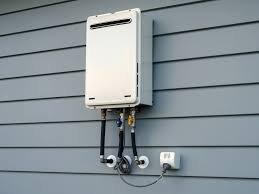
Tankless Water Heater – Instant Hot Water and Energy‑Efficient Performance
A tankless water heater is an advanced, compact system designed to provide hot water on demand without the need for a large storage tank, making it a modern and energy‑efficient alternative to traditional tank‑style heaters, these units heat water directly as it flows through the system, supplying continuous hot water for showers, sinks, dishwashers, and laundry without waiting for a tank to refill and reheat, one of the biggest advantages of a tankless water heater is its energy efficiency since it only warms water when needed, significantly reducing standby heat loss and lowering monthly utility bills, many models are capable of delivering high‑flow hot water even for multiple fixtures at once, depending on the size and capacity of the unit, tankless heaters are available in gas‑powered and electric versions, giving homeowners the flexibility to choose based on fuel availability, installation space, and cost considerations, their compact design allows them to be mounted on walls or in small utility closets, freeing up valuable floor space compared to bulky storage tanks, advanced temperature controls and digital displays make it easy to set precise water temperatures for comfort and consistency, and safety features such as automatic shutoff, anti‑scald technology, and overheating protection ensure reliable operation and peace of mind, many tankless systems have longer lifespans than traditional tanks—often lasting up to 20 years with proper maintenance—reducing long‑term replacement costs, regular maintenance like descaling and flushing helps keep internal components functioning efficiently, while high‑quality filters reduce mineral buildup and extend the heater’s life, unlike tank systems, tankless water heaters virtually eliminate the risk of tank leaks, corrosion, or rupture, which can cause water damage and require costly repairs, their demand‑based operation also makes them more environmentally friendly by lowering energy consumption and reducing greenhouse gas emissions, installation involves connecting to water and power or gas lines, and some models may require specialized venting or electrical upgrades, but professional installation ensures optimal performance and safety, many homeowners appreciate the consistent hot water supply for daily routines such as long showers, large family usage, or simultaneous appliance operation, electric tankless models are especially useful in homes without natural gas access, while gas models often offer higher flow rates for larger households, compact size combined with high performance makes tankless water heaters ideal for modern and space‑conscious homes, their versatility also fits well with tiny homes, apartments, or secondary structures like guest houses, with proper sizing and selection, a tankless