Red Light Therapy Mask — A Complete Guide to Facial Phototherapy
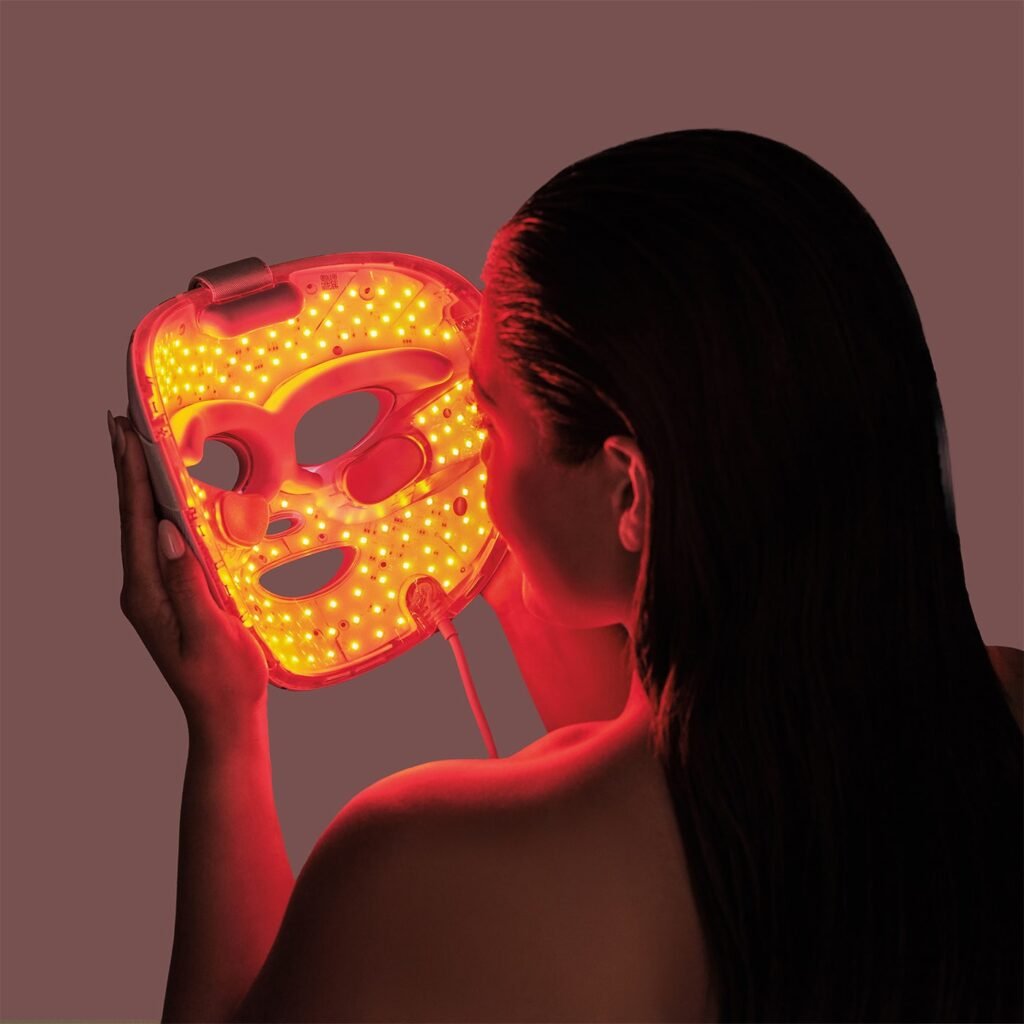
A red light therapy mask is a wearable skincare device that delivers specific wavelengths of red and near‑infrared light directly to the face. Designed to help improve skin health, reduce signs of aging, and support cellular repair, these masks use LED technology to gently stimulate cells and promote regeneration without chemicals, heat, or invasive treatment.
Red light therapy masks are used at home or in professional settings and have become popular because they can enhance skin appearance and tone with regular use.
What a Red Light Therapy Mask Is
A red light therapy mask is a device shaped like a face mask — often made of flexible silicone or plastic — embedded with LED lights that emit red and sometimes near‑infrared light. When worn for a set amount of time, the light penetrates the skin to support natural, biological processes that may help:
- Stimulate collagen and elastin production
- Improve circulation
- Reduce inflammation
- Enhance skin texture and firmness
- Support healing of acne and scars
Unlike traditional skincare products that work on the skin’s surface, red light reaches deeper layers where it can influence cellular activity.
How Red Light Therapy Works
Red light at specific wavelengths — typically between 630 nm and 660 nm (visible red) and sometimes 810 nm to 850 nm (near‑infrared) — penetrates the skin more deeply than ordinary light. These wavelengths are believed to:
- Increase mitochondrial activity (the energy factory of cells)
- Boost ATP production, supporting cellular repair
- Encourage fibroblasts to produce collagen and elastin, important proteins for youthful skin
- Improve microcirculation, bringing more nutrients and oxygen to skin cells
The result can be smoother, firmer, more radiant skin over time.
Benefits of Using a Red Light Therapy Mask
1. Anti‑Aging Support
Regular use can help reduce visible fine lines and wrinkles by stimulating collagen production.
2. Improved Skin Tone and Texture
Enhanced circulation and cellular energy can lead to smoother, more even skin.
3. Reduced Inflammation
Calming effects may help minimize irritation associated with acne, redness, or sensitivity.
4. Enhanced Healing
Red light may support the skin’s natural repair processes, aiding in fading scars and spots.
5. Non‑Invasive and Safe
Red light therapy is gentle and generally safe for most skin types when used correctly.
Key Features to Look For
When choosing a red light therapy mask, consider the following:
Wavelengths
- Red light (~630 nm–660 nm): Good for collagen stimulation and surface skin tone
- Near‑infrared (~810 nm–850 nm): Penetrates deeper for enhanced cellular support
Number of LED Lights
More LEDs usually mean wider coverage and more consistent light distribution.
Timer and Intensity Settings
Adjustable settings allow you to tailor sessions to your skin’s needs and tolerance.
Comfort and Fit
Masks should fit comfortably across the face without excessive pressure.
Safety and Eye Protection
Some masks include shields or goggles for eye safety, especially when near‑infrared light is used.
How to Use a Red Light Therapy Mask
Using a red light therapy mask is simple:
- Cleanse Your Face
Remove makeup and surface oils so light reaches the skin easily. - Position the Mask
Put on the mask and adjust straps if present. - Set Time and Intensity
Sessions typically last 10–20 minutes depending on the device and manufacturer recommendations. - Relax
Sit or lie comfortably while the mask delivers light. - Consistency Matters
For best results, use the mask regularly — often several times per week.
No creams or serums are required, though pairing with a hydrating moisturizer after treatment can enhance comfort.
Safety and Considerations
- Red light therapy is generally safe for most users, but follow these tips:
- Avoid looking directly at bright LEDs; wear protective eyewear if recommended.
- Start with lower intensity or shorter sessions if sensitive.
- Consult a dermatologist before use if you have skin conditions, photosensitivity, or take medications that increase light sensitivity.
- Do not use on broken or inflamed skin without professional advice.
Expected Results Timeline
Results from red light therapy masks are cumulative and often take time:
- Immediate: Slight glow or improved hydration
- 2–4 weeks: Smoother texture and softer overall tone
- 6–12 weeks: Reduced fine lines, firmer skin, improved clarity
Consistency in use is key — occasional sessions are less effective than structured treatment plans.
**Who Can Benefit?
Red light therapy masks are suitable for a wide range of people, including those who want to:
- Reduce early signs of aging
- Improve skin texture and pore appearance
- Complement other skincare routines
- Support skin healing after mild irritations
- Add a gentle, non‑invasive treatment to daily care
They are generally well‑tolerated by most skin types, including sensitive skin, when used correctly.
Summary
A red light therapy mask is a wearable LED device that helps improve skin health by delivering specific wavelengths of red and near‑infrared light. By supporting collagen production, circulation, and cellular repair, it can help reduce the appearance of wrinkles, improve tone and texture, calm inflammation, and support overall skin vitality. Easy to use at home and gentle on the skin, these masks offer a non‑invasive approach to advanced skincare.
If you’d like, I can help you compare popular red light therapy masks for home use — just tell me your priorities (anti‑aging, acne, overall glow, etc.).