
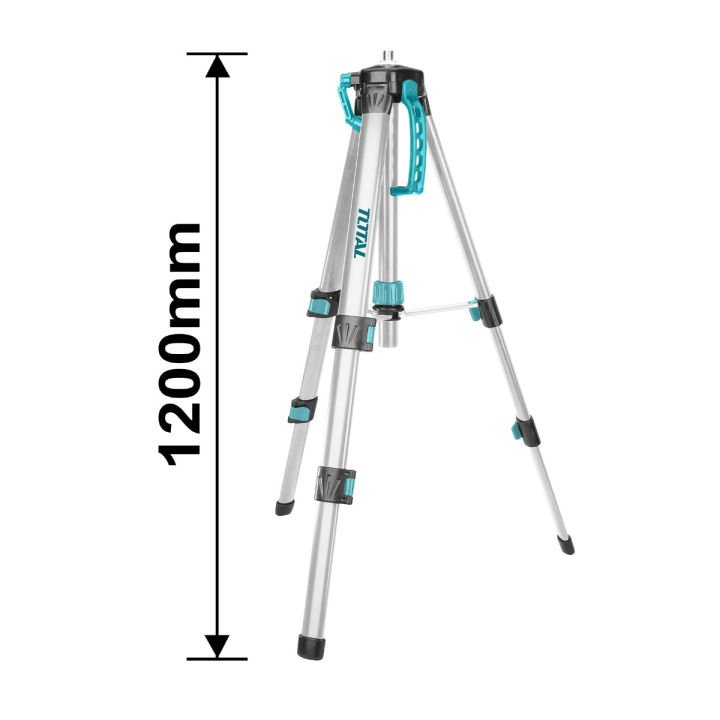
Laser Level with Tripod — A Complete Guide to Precision Measurement Tools
A laser level with tripod is a tool used in construction, carpentry, interior design, landscaping, and DIY projects to project highly accurate horizontal or vertical lines over distances. When paired with a tripod, a laser level becomes even more stable and versatile, allowing for precise alignment, leveling, and layout tasks without guesswork.
This combination replaces traditional bubble levels and long chalk lines with fast, reliable, laser‑guided precision.
What a Laser Level with Tripod Is
A laser level is an instrument that emits a beam of light — typically a bright red or green laser — projected as a straight line. This laser line acts as a reference for level, plumb, or square alignment. When mounted on a tripod, the entire system becomes adjustable in height and rotation, enabling:
- Consistent level lines across a room
- True vertical alignment
- 360° layout lines
- Long‑distance projection on walls and surfaces
Professional builders and hobbyists alike use laser levels with tripods because they save time and reduce errors.
How It Works
- Place the Tripod: Set the tripod on a flat surface and adjust its legs to the desired height.
- Attach the Laser Level: Mount the laser level securely to the tripod head.
- Power On: Turn on the laser level — most models self‑level (or can be manually leveled).
- Project Lines: The device emits a bright laser line (horizontal, vertical, or cross) across the work area.
- Mark or Align: Use the projected laser line as a reference for installing tiles, cabinets, frames, shelves, etc.
Some laser levels rotate automatically to create 360° level lines, while others project fixed beams.
Why Use a Laser Level with Tripod
A laser level with tripod offers significant advantages over traditional methods:
Accuracy
Laser levels are far more precise than bubble or spirit levels, especially over long distances.
Speed
Setup and alignment happen much faster without manually drawing and measuring lines.
Hands‑Free Operation
Once the device is mounted and leveled, you don’t have to hold it — freeing your hands for measurements and installations.
Versatility
Supports a wide range of tasks:
- Hanging shelves and cabinets
- Installing tiles or flooring
- Aligning doors and windows
- Leveling drop ceilings
- Painting and wallpapering layouts
- Installing fences or decks
Greater Range
High‑quality laser levels can project lines over many meters, useful for large rooms or outdoor projects.
Types of Laser Levels
1. Line Laser Levels
Project one or more straight laser lines on surfaces. Common for indoor leveling and alignment tasks.
2. Cross Line Laser Levels
Emit both horizontal and vertical lines that intersect, forming a cross — great for precise wall layouts and squaring layouts.
3. Rotary Laser Levels
Emit a rotating 360° laser line around a room or exterior — ideal for large areas and outdoor leveling.
4. Dot Laser Levels
Project points rather than lines, useful for simple plumb or alignment references.
When paired with a sturdy tripod, each type becomes more stable and easier to use across different tasks and heights.
Benefits of Using a Tripod
A tripod enhances a laser level by:
- Providing stable support
- Allowing adjustable height
- Enabling precise positioning
- Reducing measurement errors
- Freeing up hands for other work
Tripods often include adjustable legs and swivel heads that lock in place, making them more flexible than fixed mounts or handheld setups.
Key Features to Look For
When choosing a laser level with tripod, consider these features:
Laser Visibility
- Green lasers are brighter and easier to see than red in daylight or outdoor environments.
- Red lasers work well indoors and are more affordable.
Self‑Leveling
Self‑leveling models automatically adjust to true horizontal or vertical lines within a certain angle range.
Range
The farther the beam stays accurate, the more versatile it is — especially for large spaces.
Accuracy Rating
Look for low margin of error (e.g., ±1 mm/m) for precise projects.
Durability
Water‑resistant and rugged designs help on job sites.
Battery Life
Rechargeable or long‑lasting batteries keep projects moving without frequent recharging.
Tripod Quality
Adjustable, sturdy tripods with solid locking mechanisms improve stability and ease of use.
Common Uses
- Construction and framing
- Hanging cabinets and shelves
- Installing tile, wallpaper, or molding
- Deck and fence alignment
- Surveying outdoor grades
- Interior decoration layout
Professionals and DIYers alike appreciate how this tool reduces guesswork and increases project quality.
How to Use a Laser Level with Tripod
- Set up the tripod at your desired height and location.
- Attach the laser level securely to the tripod mount.
- Level the device — if it’s self‑leveling, allow it to auto‑calibrate; otherwise adjust manually.
- Turn on the laser and select the desired mode (horizontal, vertical, cross, rotary).
- Mark reference points using the laser line as a guide.
- Adjust as needed for different heights or orientations.
Always follow manufacturer instructions for best results.
Summary
A laser level with tripod is a powerful precision tool that makes leveling, alignment, and layout work faster and more accurate. By combining a laser emitter with a stable tripod base, you get:
- High precision over long distances
- Hands‑free operation
- Adjustable height and positioning
- Support for a wide range of projects
Whether for professional construction or home improvement, this tool helps ensure straight lines, true levels, and accurate alignments — saving time, reducing mistakes, and improving results.
If you want, I can explain how to choose the best laser level and tripod combo for your specific project — just tell me whether you’re using it indoors, outdoors, or for a specific task.