
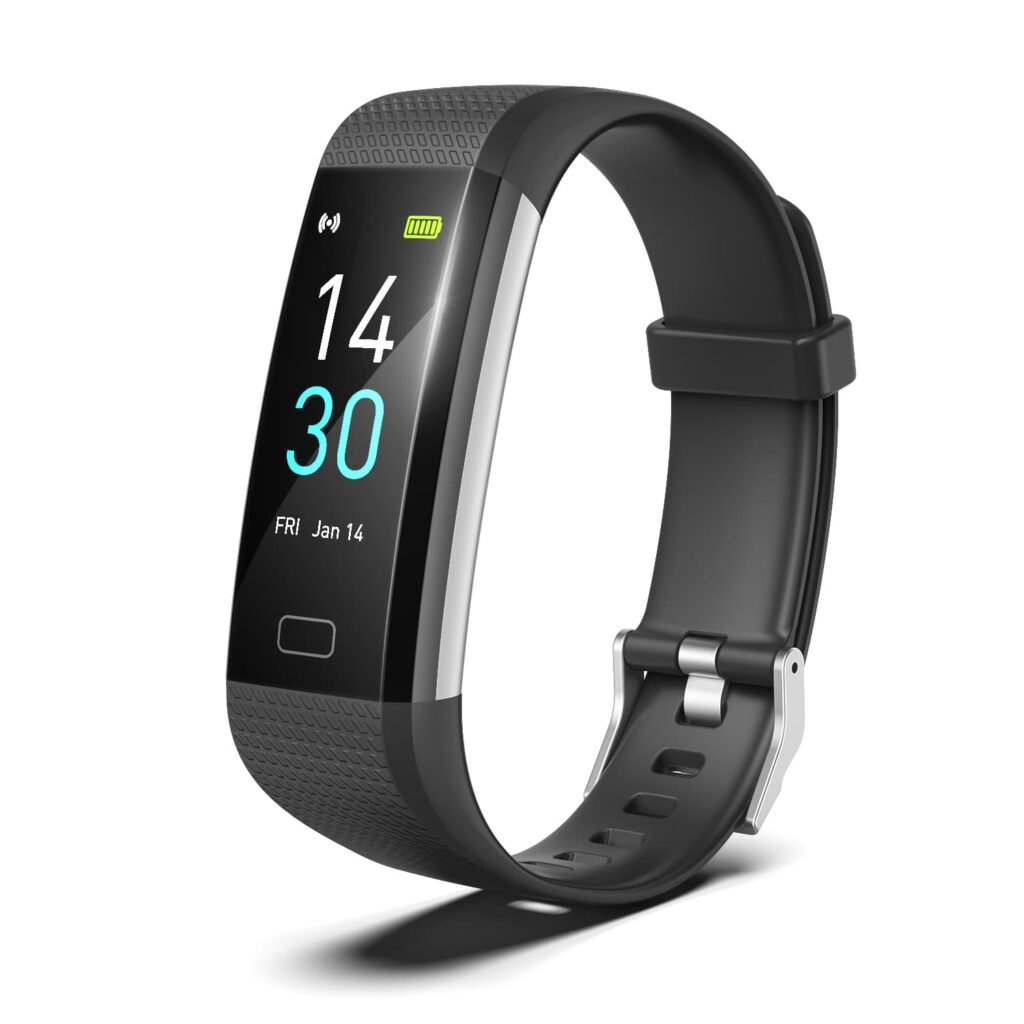
Fitness Tracker — A Complete Guide to Tracking Your Health & Activity
A fitness tracker is a wearable device that helps you monitor your physical activity, health metrics, and daily habits — all from your wrist or clipped to your clothing. These devices have become a popular tool for people who want to stay healthier, more active, and more aware of their body’s patterns.
Fitness trackers are more than just step counters — they combine sensors, algorithms, and easy‑to‑read displays to give you insights into your lifestyle and motivate you toward your goals.
What a Fitness Tracker Does
At its core, a fitness tracker measures motion and vital signals and then translates that information into useful data you can view on the device or in an app.
Activity Tracking
- Steps taken: Measures how many steps you take each day
- Distance walked or run: Uses your motion to estimate how far you’ve moved
- Calories burned: Estimates energy use based on activity and personal data
- Active minutes: Shows how much time you spent moving
Heart Rate Monitoring
Optical sensors on the underside of the tracker measure your pulse continuously or periodically. This helps you understand how your heart responds to exercise, stress, and rest.
Sleep Tracking
Trackers monitor your sleep duration and sleep stages (light, deep, REM) to help you understand sleep quality and patterns.
Exercise and Workout Modes
Most devices support specific activity modes like walking, running, cycling, swimming, or strength training — giving more detailed insights for each type of exercise.
Why People Use Fitness Trackers
1. Motivation and Accountability
Seeing progress in real time — such as steps or activity minutes — encourages you to move more and stay consistent.
2. Better Health Awareness
Trackers help you notice patterns in heart rate, movement, and sleep that you might not otherwise pay attention to.
3. Goal Achievement
You can set daily goals (like 10,000 steps) or weekly activity targets and watch your progress toward them.
4. Data for Health Decisions
Long‑term trends in your activity, sleep, or heart rate can help you make better decisions with your doctor or fitness coach.
Common Features Explained
Step Counter
Records your steps and often shows progress toward a daily goal.
Heart Rate Sensor
Measures your pulse throughout the day and during workouts, giving insight into intensity and recovery.
Sleep Monitoring
Tracks how long and how well you sleep, helping you understand factors that affect rest.
Workout Tracking
Specialized tracking for different exercises provides more meaningful data for each type of activity.
Calories Burned
Gives an estimate of energy expenditure based on movement and heart rate.
Health Metrics Often Included
- Resting Heart Rate: A measure of cardiovascular fitness
- Active Heart Zones: Helps you understand how hard you’re working
- Steps and Distance: Daily movement overview
- Sleep Duration & Quality: Helps you see sleep patterns
- Activity Streaks: Visual encouragement to stay active
Each metric helps you build a clearer picture of your overall health trends.
Design and Comfort
Fitness trackers are made to be worn daily — and many can be worn while sleeping or during workouts. Key design elements include:
- Lightweight build: Comfortable for all‑day wear
- Display screen: For quick glances at stats
- Water resistance: Good for sweaty workouts or rainy runs
- Adjustable bands: Fits wrists of different sizes
- Battery life: Ranges from several days to weeks depending on usage
Comfort and durable design help ensure you wear it consistently — which leads to better tracking.
Fitness Tracker vs. Smartwatch
| Feature | Fitness Tracker | Smartwatch |
|---|---|---|
| Activity Tracking | Yes | Yes |
| Health Monitoring | Yes | Yes |
| App Notifications | Varies | Typically yes |
| Battery Life | Longer | Shorter |
| Focus | Health & activity | Health + apps + alerts |
| Price Range | Often lower | Often higher |
Fitness trackers tend to focus more on fitness and health metrics with longer battery life and simpler interfaces, while smartwatches combine smartwatch features (notifications, apps) with fitness tracking.
Tips for Best Results
- Wear it consistently: More data means better insights.
- Sync regularly: Keep data in your phone app for long‑term tracking.
- Set achievable goals: Start with realistic targets and adjust as you progress.
- Use reminders: Most trackers offer reminders to move — helpful for sedentary days.
- Customize alerts: Tailor notifications to what matters most to you.
These habits help you make the most of your device and stay motivated.
Who Benefits Most from a Fitness Tracker?
- People wanting to increase daily activity
- Those tracking workouts or training progress
- Individuals aiming to improve sleep habits
- Anyone curious about personal health patterns
- Users who enjoy data‑driven motivation
Fitness trackers provide insight and encouragement without being intrusive — making them suitable for many lifestyles.
Summary
A fitness tracker is a wearable companion that helps you monitor activity, health metrics, and daily habits in an easy, visual way. From counting steps and tracking heart rate to analyzing sleep and motivating movement, these devices support healthier routines and better awareness of your body’s patterns. With a mix of comfort, data insight, and personalized goals, fitness trackers are a versatile tool for anyone aiming to be more active and mindful about health.
If you want help choosing which features matter most for your goals — for example weight loss, more activity, better sleep, or workout tracking — just tell me what you’re aiming for!