Solar Animal Repellent — A Complete Guide to Eco‑Friendly Wildlife Control
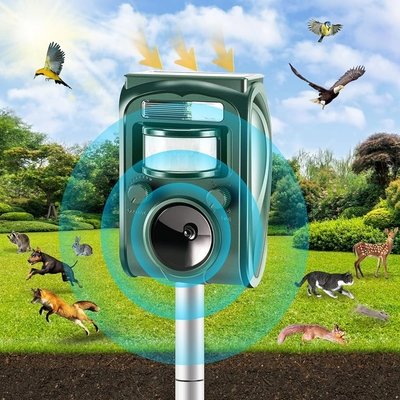
A solar animal repellent is a device designed to discourage unwanted animals from entering yards, gardens, lawns, or outdoor spaces — using energy from the sun rather than electricity. These repellents are commonly used to keep pests like deer, cats, dogs, birds, rabbits, raccoons, and other wildlife from damaging plants, digging in gardens, or creating nuisance behavior.
Because they’re powered by sunlight and don’t require wiring or batteries, solar animal repellents are cost‑effective, eco‑friendly, and easy to install — ideal for anyone who wants humane pest control without chemicals or traps.
How Solar Animal Repellents Work
Solar animal repellents employ one or more of the following techniques to deter animals:
- Ultrasonic Sound Waves
These devices emit high‑frequency sounds that are unpleasant to animals but usually inaudible to humans. The sounds vary in pulse and pattern to avoid animals becoming accustomed to them. - Motion‑Activated Alerts
Many models use motion sensors — when an animal approaches, the device triggers a deterrent like sound, flashing lights, or vibration. - Flashing LED Lights
Bright, unpredictable light patterns can startle and discourage animals, especially those active at night. - Combination Repellents
Some units combine sound, light, and motion activation for more effective coverage across different species.
Benefits of Using Solar Animal Repellents
✔ Solar‑Powered and Eco‑Friendly
Powered entirely by the sun, with no electricity cost and no wiring hassles — good for gardens and remote areas.
✔ Humane and Non‑Lethal
Unlike traps or harmful chemicals, these devices gently encourage animals to leave without injury.
✔ Easy Installation
Simply place the unit in a sunny area — no complex setup required.
✔ Low Maintenance
Solar panels keep the internal battery charged day after day, and most units need minimal upkeep.
✔ Versatile
Suitable for lawns, gardens, driveways, patios, farms, and other outdoor spaces.
Common Uses and Target Animals
Solar animal repellents are helpful for deterring:
Deer from eating plants or flowers
Cats and dogs from digging in gardens
Rabbits and squirrels nibbling vegetables
Raccoons and opossums raiding trash or fruit trees
Birds in spots where their presence is unwanted
By choosing a device with the right deterrent mode (ultrasonic, motion, light), you can effectively discourage specific species without harm.
Where to Place a Solar Animal Repellent
For best results:
Install where animals most often enter your garden or yard
Point sensors toward activity hotspots
Ensure the solar panel receives direct sunlight throughout the day
Avoid obstructions like tall plants or structures that block sunlight or motion detection
Proper placement ensures optimal operation and prevents shaded areas from reducing solar charging.
Tips for Success
Mix Techniques
Rotate deterrents (sound, light, motion) so animals don’t get used to one pattern.
Keep Units Clean
Dust or debris on solar panels can reduce charging efficiency — wipe them occasionally.
Use Multiple Units
For larger gardens or multiple animal entry points, several repellents spaced apart can improve coverage.
Pair With Landscaping Strategies
Adding physical barriers (like low fencing or thorny plants) alongside solar repellents increases effectiveness.
When Solar Repellents Are Most Effective
Solar animal repellents tend to work best when:
Installed ahead of peak animal activity (e.g., early spring for deer, evening for nocturnal pests)
Used consistently — animals are less likely to habituate if deterrents run regularly
Combined with a well‑planned garden layout and minimal food attractants
Summary
A solar animal repellent is a solar‑powered, humane, and low‑maintenance solution for keeping unwanted animals out of gardens and outdoor spaces. Using ultrasonic sound, motion sensors, and flashing lights — all powered by sunlight — these devices offer an eco‑friendly alternative to chemicals, traps, or nets. With simple installation and versatile use, they help protect plants, lawns, and property while respecting wildlife and the environment.
Want help choosing the best type of solar repellent for the specific animals you’re dealing with (e.g., deer vs. cats vs. birds)? Just tell me which pests you’re aiming to deter!