
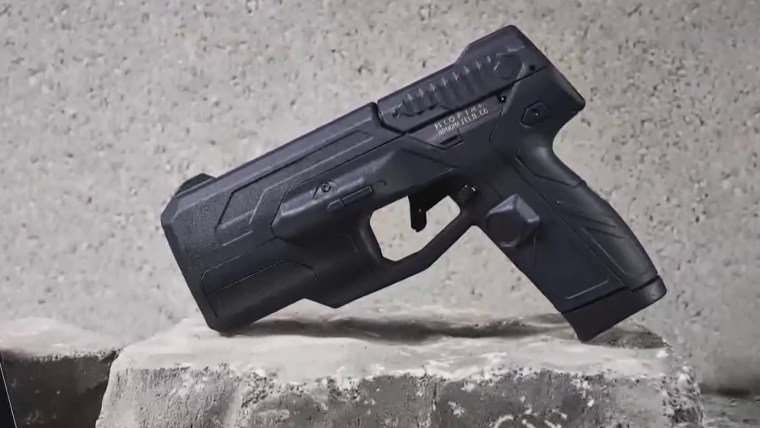
Biometric Gun Technology — The Future of Smart Firearm Safety
Biometric gun technology represents an intersection between modern security systems and firearm safety innovation. Designed to limit firearm operation to authorized users only, biometric systems aim to add an additional layer of access control through identity verification. As biometric authentication becomes more common in everyday life—such as in smartphones and secure facilities—its integration into firearms has generated significant discussion about safety, responsibility, and technological advancement.
What Is Biometric Technology?
Biometric technology identifies individuals using unique physical characteristics. Common forms include:
- Fingerprint recognition
- Facial recognition
- Iris scanning
- Voice identification
These systems analyze distinctive biological markers and compare them against stored data to confirm identity. Because biometric traits are unique to each person, they provide a highly personalized method of authentication.
How Biometric Systems Apply to Firearms
In the context of firearms, biometric technology is designed to function as an access-control mechanism. Instead of operating freely once handled, the firearm would require biometric authentication—typically through a fingerprint sensor—before it becomes functional.
The core idea is simple:
- An authorized user enrolls their biometric data.
- The firearm stores this data securely within its internal system.
- When someone attempts to use the firearm, the system scans their biometric input.
- If the input matches stored data, the mechanism unlocks.
If authentication fails, the firearm remains in a locked state.
Purpose Behind Biometric Firearms
The concept behind biometric guns centers on enhanced safety. The technology aims to:
- Prevent unauthorized handling
- Reduce accidental access by children
- Deter misuse if stolen
- Add a modern safety layer beyond traditional mechanical locks
Rather than replacing responsible storage or safety practices, biometric systems are positioned as an additional safeguard.
Technological Components
Biometric firearm systems typically incorporate:
- Fingerprint sensors integrated into the grip or frame
- Microprocessors to analyze biometric data
- Internal locking mechanisms controlled electronically
- Rechargeable or replaceable power sources
- Encrypted storage for biometric profiles
These components work together to ensure secure identity verification before enabling operation.
Advantages of Biometric Integration
Enhanced Access Control
By limiting operation to pre-approved users, biometric systems add a personalized layer of control.
Modernized Safety Approach
As society increasingly adopts digital security, biometric firearms align with broader trends in smart technology.
Reduced Unauthorized Use Risk
The technology may reduce risks associated with theft or unintended handling.
Challenges and Considerations
Like any electronic system, biometric technologies come with potential limitations:
- Environmental conditions may affect sensor accuracy
- Power dependency requires battery management
- Electronic components introduce mechanical complexity
Reliability, durability, and consistent performance remain central to ongoing development in this area.
Regulatory and Social Context
Firearm laws vary significantly by region, and biometric technology intersects with ongoing debates about regulation, safety standards, and responsible ownership. Discussions surrounding biometric firearms often involve legal frameworks, technological feasibility, and public safety perspectives.
As innovation continues, manufacturers and policymakers evaluate how biometric systems fit within broader firearm safety strategies.
The Broader Picture of Smart Technology
Biometric firearms are part of a larger movement toward “smart” technology integration. From smart homes to wearable devices, digital authentication is becoming a standard security method. Incorporating biometrics into firearms reflects this broader technological evolution, applying identity-based access control to tools traditionally governed by mechanical systems.
Conclusion
Biometric gun technology represents an effort to merge modern identity authentication with firearm safety design. By using fingerprint or other biometric recognition systems, these firearms aim to limit operation to authorized individuals. While the technology continues to evolve, it highlights a growing focus on combining innovation with safety principles in an increasingly digital world.