
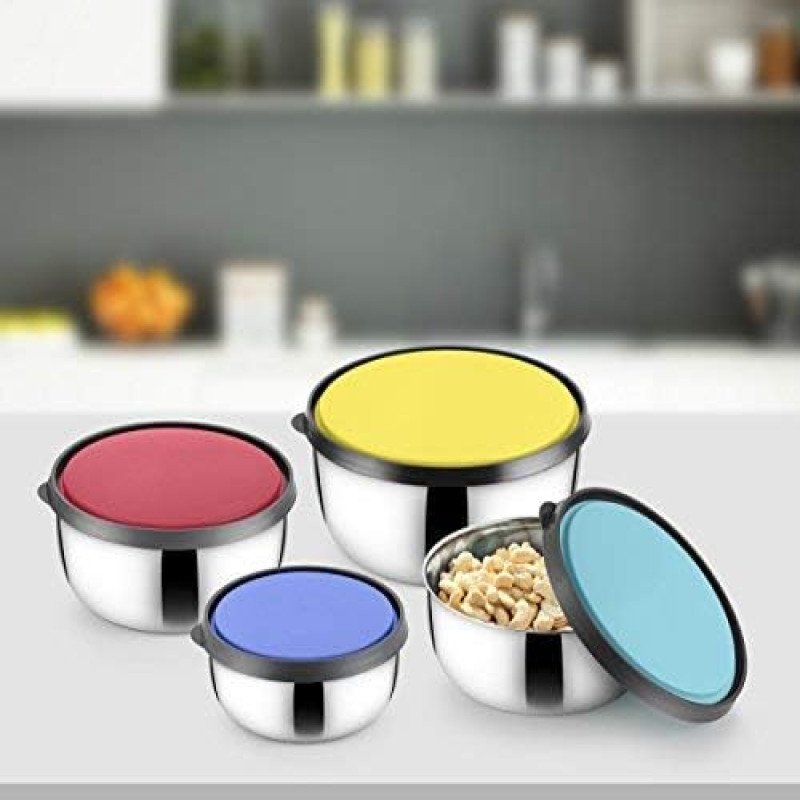
Stainless Steel Container — A Complete Guide to Durable, Safe Storage
A stainless steel container is a storage vessel made of corrosion-resistant steel alloy that’s widely used for keeping food, ingredients, liquids, or other items. They’re valued for their strength, hygiene, longevity, and versatility in kitchens, pantries, workplaces, and travel.
What Stainless Steel Containers Are Made Of
Stainless steel is an alloy primarily consisting of iron, chromium, and sometimes nickel or molybdenum. The chromium content creates a protective oxide layer on the metal’s surface, making it resistant to:
- Rust and corrosion
- Stains and discoloration
- Acidic or alkaline foods
This makes stainless steel an ideal material for storage when hygiene and durability are priorities.
Common Uses of Stainless Steel Containers
Kitchen and Food Storage
- Leftovers and meal prep
- Dry goods like rice, lentils, flour, and spices
- Lunch boxes and snack boxes
- Lunches for work, school, or travel
Refrigerator & Freezer Storage
Unlike glass or plastic, stainless steel keeps food safe in cold storage without cracking or absorbing odors.
Pantry Organization
Stainless steel containers are excellent for organizing shelves because they don’t warp and handle repeated use well.
Travel and Outdoor Use
Containers can carry meals or snacks on camping trips, picnics, and commuting without fear of breakage.
Non-Food Storage
Small tools, sewing supplies, hardware, and personal items are often stored in stainless steel boxes for durability.
Key Benefits of Stainless Steel Containers
1. Long-Lasting and Durable
Stainless steel doesn’t crack or warp like plastic, and it resists dents better than many other metals.
2. Hygienic and Easy to Clean
Smooth stainless steel surfaces are easy to wash and don’t retain food odors or stains.
3. Non-Reactive
Unlike some materials, stainless steel does not react with acidic or alkaline foods, which helps preserve flavor and safety.
4. Environmentally Friendly
Reusable and recyclable, stainless steel reduces reliance on single-use plastics and has a lower environmental impact over its lifespan.
5. Temperature Resilience
Containers handle a wide range of temperatures — from cold fridge storage to hot foods (once cooled slightly), without damage.
Types of Stainless Steel Containers
Airtight Containers
Come with sealing lids to protect contents from moisture and air — great for dry goods or pantry storage.
Stackable Sets
Designed to nest or stack easily on shelves for better space management.
Food Lunch Boxes
Often multi-tiered or compartmented — perfect for meals on the go.
Canisters with Lids
Used for flour, sugar, rice, coffee, or tea — they keep pantry staples fresh and organized.
Containers with Handles
Larger containers may include carry handles for easier transport.
Features to Consider When Choosing One
Lid Type
- Snap-on lids for convenience
- Seal and locking lids for better moisture and air protection
- Silicone seals to reduce leaks
Size & Capacity
Choose based on what you want to store:
- Small (100–500 ml) for spices or snacks
- Medium (500–1500 ml) for everyday leftovers or meals
- Large (2 L+) for bulk storage or bigger portions
Shape
- Round for easy stirring and scooping
- Square/rectangular for efficient shelf or fridge stacking
Finish
- Mirror polish for aesthetics
- Brushed finish for scratch resistance
Tips for Care and Maintenance
- Hand wash or dishwasher safe: Most stainless steel containers clean easily with soap and water or in a dishwasher.
- Avoid harsh abrasives: Steel wool or very rough scrubbers can scratch the surface; use soft cloths or non-abrasive sponges.
- Dry thoroughly: Wiping dry prevents water spots and helps maintain a polished finish.
- Keep lids separated while washing: This prevents trapped moisture and odors.
Benefits in Everyday Life
- Keeps food fresh for longer with airtight seals
- Protects counter and pantry space from spills or pests
- Reduces plastic use for a more sustainable kitchen
- Safe for kids’ lunch boxes without fear of breakage
- Perfect for organized storage — both in cupboards and on shelves
Summary
A stainless steel container is a practical, robust, and hygienic solution for food storage and everyday organization. Its resistance to rust, strength against impacts, and non-reactive surface make it ideal for storing meals, dry goods, leftovers, snacks, or even non-food items. Whether you’re organizing a pantry, packing lunches, or storing bulk ingredients, stainless steel containers offer longevity, safety, and cleanliness — making them a popular choice in modern homes and kitchens.
If you’d like, I can explain how to choose the right container sizes based on what you typically store (e.g., daily meals vs pantry staples). Just let me know!