
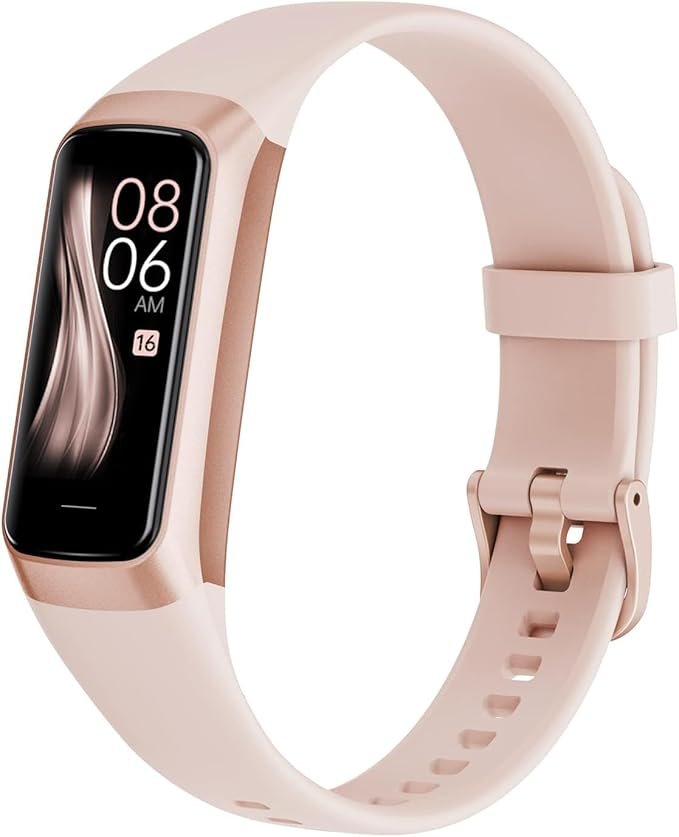
The Ultimate Guide to Choosing the Best Fitness Tracker for Health and Activity Monitoring
In today’s health-conscious world, a fitness tracker has become an essential accessory for anyone looking to monitor and improve their physical activity, heart health, sleep patterns, and overall well-being, offering a convenient way to track steps, calories burned, distance traveled, and more without the need for bulky equipment or manual logging, and with wearable fitness trackers becoming increasingly advanced, users can benefit from features like continuous heart rate monitoring, sleep quality analysis, workout detection, GPS tracking, and smartphone notifications, making it easier than ever to stay informed about your body’s performance in real time; when choosing a fitness tracker, it is important to consider compatibility with your smartphone’s operating system, whether Android or iOS, as seamless connectivity through Bluetooth and dedicated mobile apps allows users to view detailed health metrics, set personalized goals, and receive alerts that help keep motivation high throughout the day, and reputable brands like Fitbit and Garmin offer a range of devices with various feature sets tailored to beginners, casual fitness enthusiasts, and advanced athletes alike, ensuring there is a tracker suitable for every lifestyle and budget; many fitness trackers now include built-in GPS for outdoor running and cycling routes, multiple sports modes that automatically detect activities such as walking, running, swimming, and cycling, and water-resistant designs that withstand rain or sweat during workouts, providing a comprehensive overview of physical performance while helping users stay accountable to their fitness goals, and battery life is another key factor to evaluate since long-lasting devices reduce the need for frequent charging, with some models lasting several days on a single charge, while others may require daily top-ups depending on usage; additionally, advanced trackers often monitor heart rate variability, stress levels, and blood oxygen saturation (SpO2) to give deeper insights into your overall health, while the intuitive companion apps display graphs, trends, and reminders that make tracking progress engaging and easy to understand, helping users make data-driven decisions about their routines; comfortable design is also essential, with adjustable bands, lightweight materials, and customizable watch faces ensuring users can wear their tracker all day long without irritation, whether at work, the gym, or during sleep, and many devices even offer smartphone notifications, call and text alerts, music controls, and contactless payment support, making them functional beyond just fitness tracking; when selecting a fitness tracker, carefully review specifications such as heart rate sensor accuracy, screen type, durability, water resistance rating, and app ecosystem to find a device that aligns with your goals, ensuring you invest in a high-quality wearable that motivates you to move more, improve your health metrics, and stay connected while offering a reliable and user-friendly experience that enriches your daily life and supports a more active, balanced lifestyle.