
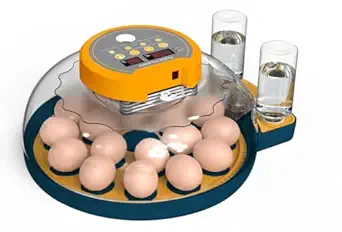
Incubator for Chicken Eggs: The Key to Successful Hatching
An Incubator for Chicken Eggs is a must-have tool for anyone looking to hatch eggs at home, whether you’re a hobbyist, a farmer, or someone starting a small poultry operation. These incubators create the ideal environment for chicken eggs to develop and hatch by maintaining consistent temperature, humidity, and ventilation levels—key factors that are essential for successful hatching.The primary function of an incubator is to mimic the conditions provided by a mother hen during incubation. The most important aspect of any incubator is its ability to regulate temperature. Chicken eggs need a steady temperature of around 99.5°F (37.5°C) to incubate properly, and fluctuations can lead to failure in hatching. Incubators are designed to maintain this precise temperature through built-in thermostats or digital controls.
Another crucial factor is humidity. Humidity levels must be controlled to ensure the proper development of the embryos. A good incubator will have a way to monitor and adjust humidity, which typically needs to be around 55-60% for the first 18 days and increased to 65-70% during the final days of incubation for proper hatching.The air circulation in an incubator is also critical. It’s important to ensure that oxygen can reach the eggs while carbon dioxide is expelled. Many incubators have built-in fans to ensure even airflow and temperature distribution, which helps maintain the health of the embryos throughout the process.
One of the best features of modern incubators is their automatic egg turning mechanism. During the incubation period, eggs must be turned regularly to ensure that the developing embryo doesn’t stick to the shell. Most high-quality incubators can automatically turn the eggs at set intervals, saving you time and effort while ensuring that the eggs are cared for properly. This feature is especially useful for people who are incubating a large batch of eggs, as it can be a labor-intensive process if done manually.In addition to these essential features, incubators come in a variety of sizes to accommodate different batch sizes. From small countertop models that can hold a dozen eggs to larger, commercial-grade incubators capable of holding hundreds of eggs, there’s an option for every need. Some incubators even come with egg trays and candling lights, which help you monitor egg development and identify unviable eggs early on.