
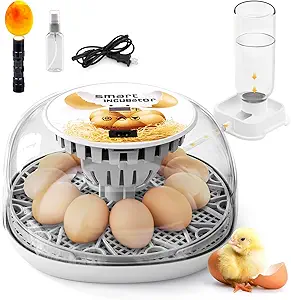
Egg Incubator for Hatching Chicks: A Reliable Solution for Poultry Farmers
An egg incubator for hatching chicks is a must-have tool for poultry enthusiasts and farmers who want to hatch eggs efficiently and consistently. These incubators provide a controlled environment that mimics the natural conditions needed for eggs to hatch, ensuring optimal temperature, humidity, and airflow. Whether you’re raising chickens, ducks, or other poultry, an egg incubator is essential for successful hatching and improving the productivity of your flock.
One of the primary advantages of using an egg incubator is the ability to hatch eggs all year round, regardless of weather conditions. Traditional methods, such as relying on a broody hen, can be unpredictable and limited by seasons. An incubator, however, provides a constant and controlled environment, offering reliable hatching results every time.
Egg incubators come in various sizes, allowing you to hatch anywhere from a few eggs to several dozen at a time. Many models feature adjustable trays or racks that can hold different types of eggs, whether they are chicken, duck, or quail eggs. This versatility makes incubators perfect for small hobby farms or larger commercial operations.
Temperature control is one of the most critical factors in the hatching process. Modern egg incubators have built-in thermostats to regulate and maintain the ideal temperature range (usually between 99-102°F, depending on the type of egg). Some high-quality incubators even come with automatic temperature adjustments, ensuring that fluctuations are minimized and the eggs remain at the correct heat level.
Humidity control is another key feature in egg incubation. Too much or too little humidity can negatively impact the development of the embryo. Many incubators offer a humidity system that can be adjusted according to the specific needs of the eggs being hatched. Humidity control is vital for proper shell formation and successful chick development.
Another important feature is automatic egg turning. For the best hatch rate, eggs need to be turned regularly to prevent the embryo from sticking to the shell. Some incubators have built-in motors that automatically rotate the eggs, ensuring consistent turning throughout the incubation period. This eliminates the need for manual intervention and reduces the risk of harming the eggs.
Egg incubators also often come with clear, transparent windows or viewing panels, allowing you to easily monitor the eggs during the incubation process. This feature is especially useful for keeping track of temperature, humidity, and any changes in the eggs without opening the incubator and disturbing the environment.