Smart Watch
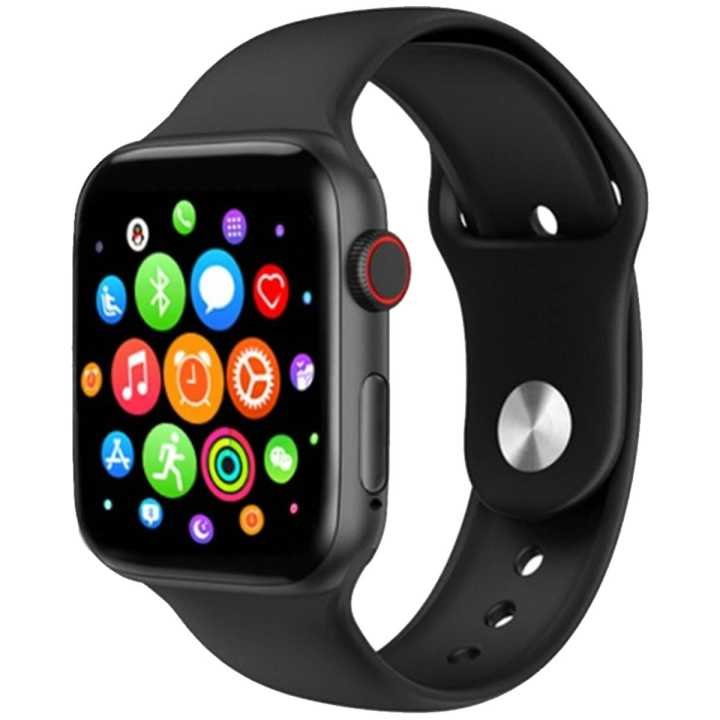
Smart Watch — A Complete Guide to Modern Wearable Technology
A smart watch is a wearable electronic device designed to be worn on the wrist that combines the traditional function of telling time with advanced smart features that connect to your life, health, and technology ecosystem. Over the past decade, smartwatches have evolved from simple notification devices into powerful tools that help with communication, fitness tracking, health monitoring, navigation, and daily convenience — all from your wrist.
Smartwatches sync with your smartphone and integrate multiple technologies into one compact device. They serve as mini computers worn on the wrist, helping people stay organized, motivated, and connected without constantly pulling out a phone.
What Makes a Smart Watch “Smart”
Unlike traditional watches that only display the time, smartwatches offer a variety of integrated functions that can include:
- Notifications — Display text messages, calls, emails, and app alerts directly on the watch
- Health and Fitness Tracking — Monitor heart rate, steps, calories burned, sleep, and workouts
- GPS and Navigation — Provide directions and track routes during outdoor activities
- Music Control — Play, pause, or skip tracks without accessing your phone
- Voice Assistants — Interact with voice-based AI tools for reminders, information, and commands
- Contactless Payments — Pay with a tap using NFC technology
- Apps — Run specialized applications for weather, calendar, reminders, timers, and more
These features make a smartwatch an extension of your smartphone and personal health ecosystem.
Core Functions Explained
1. Notifications and Connectivity
Smartwatches connect to your phone via Bluetooth or Wi-Fi, allowing the device to mirror selected alerts. Instead of checking your phone constantly, you glance at your wrist to see who’s calling, messaging, or sending social media updates.
2. Fitness and Activity Tracking
Today’s smartwatches include motion sensors and biometric monitors that track:
- Number of steps taken
- Distance walked or run
- Calories burned
- Active minutes and exercise types
Many can automatically detect workouts like walking, running, cycling, swimming, or strength training and record them with detailed metrics.
3. Health Monitoring
Modern smartwatches often include health features not found in basic fitness bands, such as:
- Heart rate monitoring — continuous or spot checks
- Sleep tracking — duration and sleep quality analysis
- Blood oxygen (SpO₂) monitoring — oxygen saturation levels
- Stress tracking — physiological signs of stress
- ECG or heart rhythm alerts (available on select models)
These tools help users better understand their overall health trends over time.
4. GPS and Location Services
Smartwatches with built-in GPS can track your outdoor route, pace, and distance without needing a phone. This is especially useful for runners, cyclists, and hikers.
5. Voice Commands and AI
Voice assistants like Siri, Google Assistant, or Bixby are often integrated, enabling hands-free control — such as setting reminders, checking the weather, sending messages, or checking appointments.
Benefits of Wearing a Smart Watch
Instant Information Access
With notifications and alerts on your wrist, you’re less reliant on checking your phone constantly.
Improved Health Awareness
Tracking metrics like heart rate, activity levels, sleep patterns, and stress helps you make more informed lifestyle decisions.
Motivation for Activity
Seeing daily activity goals, reminders to move, and workout summaries can encourage regular exercise and healthier routines.
Convenience Features
Contactless payments, alarms, music control, and quick replies save time and simplify daily tasks.
Personalization
Smartwatches often allow customization of watch faces, bands, and apps — letting you match the device to your style and needs.
Daily Life and Smart Watches
In everyday life, smartwatches often become an integral part of routines:
- Morning: Check reminders, weather, and calendar events before starting your day.
- Work: Glance at notifications discreetly during meetings without disrupting workflow.
- Fitness: Track workouts, heart rate zones, and progress toward activity goals.
- Travel: Use GPS navigation, time zone updates, and offline directions.
- Night: Monitor sleep quality and rest patterns for better recovery.
These devices blend seamlessly into many aspects of modern life.
Battery and Charging
Smartwatch battery life varies by model and usage patterns:
- Basic modes with minimal features can last several days.
- Active usage with GPS, frequent notifications, or health sensors may reduce battery life to one day or less.
- Charging options include magnetic docks, wireless pads, or proprietary chargers.
Many users find that a nightly charge keeps their smartwatch ready for the next day’s activities.
Design and Comfort
Smartwatches come in a range of styles and materials:
- Sporty designs — durable with silicone or rubber bands
- Classic styles — metal cases and leather bands for everyday wear
- Lightweight options — ideal for sleep tracking and all-day comfort
- Water resistance — suitable for showers and swimming
Display types include touchscreens, always-on modes, and customizable watch faces to reflect personal preferences.
Compatibility and Ecosystems
Smartwatches often work best within specific smartphone ecosystems:
- Watches from one brand may have deeper integration — e.g., fitness data, messaging features, and voice assistants — with its own phones and services.
- Some smartwatches also support third-party apps and services, expanding their utility.
Compatibility should be checked before purchase to ensure seamless operation with your device.
Security and Privacy Considerations
Since smartwatches are connected devices used for communication and health data, security matters:
- Use secure lock screens or passcodes.
- Keep software up to date for security patches.
- Review app permissions to limit unnecessary data access.
- Enable two-factor authentication where available.
Thoughtful configuration helps protect personal information and device access.
Summary
A smart watch is a versatile wearable device that enhances daily life with smart connectivity, health and fitness tracking, personalized convenience features, and instant notifications — all accessible from your wrist. Through sensors, GPS, displays, and integrated software, smartwatches help users stay organized, motivated, and aware of their well-being.
As technology advances, smartwatches continue to evolve, becoming more powerful, more personalized, and more essential as wearable companions in modern life — keeping you connected, informed, and empowered throughout the day.